

# How Long Does Rhinoplasty Recovery Take?
By Enfield Royal Clinic (@enfieldroyalclinic) ·
# How Long Does Rhinoplasty Recovery Take?
By Enfield Royal Clinic (@enfieldroyalclinic) ·
# How Long Does Rhinoplasty Recovery Take?
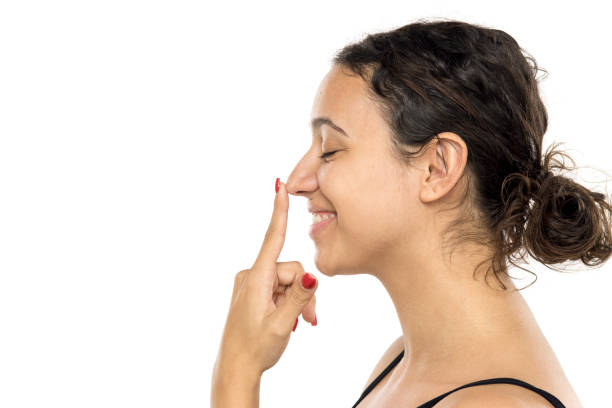
Rhinoplasty is a popular cosmetic procedure for people who want to improve the appearance of their nose or address certain structural concerns that affect breathing. Although the procedure can create noticeable changes, recovery is an important part of achieving the desired outcome. Understanding the healing process helps patients prepare for each stage and know what to expect after surgery. If you are considering Rhinoplasty in Riyadh, learning about recovery time, aftercare, and the gradual changes in your nose can help you make an informed decision.
Many people researching treatment also look for information about nose surgery in saudi arabia price, but understanding the procedure and its recovery requirements is equally important. Rhinoplasty involves delicate nasal structures, and healing takes time. While initial recovery may take a few weeks, complete healing can continue for several months as swelling gradually decreases and the nose develops its final shape.
Rhinoplasty recovery varies from person to person depending on the surgical technique, the complexity of the procedure, and individual healing responses. Most patients can expect the initial recovery period to last approximately one to two weeks. During this time, swelling, bruising, and mild discomfort are common.
Although many people feel comfortable returning to their regular daily activities after this initial period, the nose may still appear swollen. Subtle changes continue as the tissues heal, meaning the final results cannot be judged immediately after surgery.
The first two days are generally focused on rest and managing initial swelling. Patients may experience nasal congestion, mild discomfort, bruising around the eyes, and temporary difficulty breathing through the nose.
Keeping the head elevated while sleeping can help reduce swelling. Patients should follow their aftercare instructions carefully and avoid unnecessary physical activity during this early stage.
During the first week, swelling and bruising may gradually begin to improve. A nasal splint or dressing may be used to support and protect the nose while the tissues heal.
Patients are usually advised to avoid touching or putting pressure on the nose. A follow-up appointment allows the surgical team to assess healing and determine whether the external support can be removed.
The first month is an important stage of recovery because many visible signs of surgery begin to settle. Most noticeable bruising usually fades, and swelling becomes less prominent.
Patients may gradually return to work, social activities, and light daily routines, depending on their healing progress and the advice of their surgical team. However, the nose remains sensitive, and activities that could cause accidental injury should still be avoided.
Some swelling may remain around the nasal bridge and tip. The nasal tip often takes longer to settle because of its delicate tissues and skin structure.
Following recommended aftercare instructions, avoiding unnecessary pressure, and protecting the nose from accidental impact are important during this period.
Light activities can usually be resumed gradually once the surgical team confirms that recovery is progressing well. Strenuous exercise, heavy lifting, and contact sports should be avoided until clearance is provided.
Patients should also protect their nose from direct sunlight and avoid wearing anything that places unnecessary pressure on the healing area.
Although the initial recovery period is relatively short, complete healing takes considerably longer. Most swelling improves during the first few months, but subtle swelling, particularly around the nasal tip, can remain for up to a year or sometimes longer.
The final appearance develops gradually as internal tissues settle and the nasal structure continues to heal. Patients should attend follow-up appointments and avoid comparing their recovery progress with others because every individual heals differently.
Several factors influence how quickly someone recovers after rhinoplasty. The complexity of the procedure is one of the most important considerations. More extensive procedures may require additional healing time compared with minor nasal adjustments.
Individual health, skin thickness, natural healing ability, and adherence to postoperative instructions can also influence recovery. Patients who carefully follow their aftercare recommendations and avoid activities that could affect the nose generally provide their tissues with better conditions for healing.
Following proper aftercare can make the recovery experience more comfortable. Patients should get sufficient rest, maintain a balanced diet, stay hydrated, and keep their head elevated when sleeping if recommended.
Avoid smoking and alcohol during the period advised by the surgical team, as they may interfere with healing. Patients should also avoid blowing their nose, wearing pressure-heavy eyewear, or engaging in strenuous activities until they receive medical clearance.
It is important to contact the surgical team if unusual symptoms develop, including severe or increasing pain, excessive bleeding, fever, or worsening swelling.
1. How many days should I take off work after rhinoplasty?
Many patients take approximately one to two weeks away from work, depending on the nature of their job and their recovery progress. Jobs involving physical activity may require additional time.
2. When does swelling completely disappear after rhinoplasty?
Most noticeable swelling improves within the first few months. However, minor swelling, especially around the nasal tip, may take a year or longer to settle completely.
3. Can I sleep normally after rhinoplasty?
During the early recovery period, patients are generally advised to sleep on their backs with their heads elevated. This helps minimize swelling and protects the healing nose from accidental pressure.
4. When can I exercise after rhinoplasty?
Light activities may be resumed gradually when approved by the surgical team. Strenuous workouts and contact sports should be avoided until the nose has healed sufficiently and medical clearance is provided.
5. When will I see the final results of rhinoplasty?
Initial improvements become visible as swelling decreases during the first few weeks. However, the nose continues to refine over several months, and final results may take a year or longer to become apparent.
Understanding the recovery process is an important step before deciding on nose surgery. At Enfield Royal Clinic in Riyadh, patients can explore their treatment options, discuss their aesthetic goals, and receive guidance about the procedure and postoperative care. Schedule a consultation to learn more about rhinoplasty and take an informed step towards your desired nasal appearance.
Enfield Royal Clinic emphasizes individualized cosmetic care for patients seeking balanced and natural-looking aesthetic improvements.