

# Is HIFU Suitable for Different Skin Types? A Guide for Islamabad Residents
By talha AMIN (@talhaamin722) ·
# Is HIFU Suitable for Different Skin Types? A Guide for Islamabad Residents
By talha AMIN (@talhaamin722) ·
# Is HIFU Suitable for Different Skin Types? A Guide for Islamabad Residents
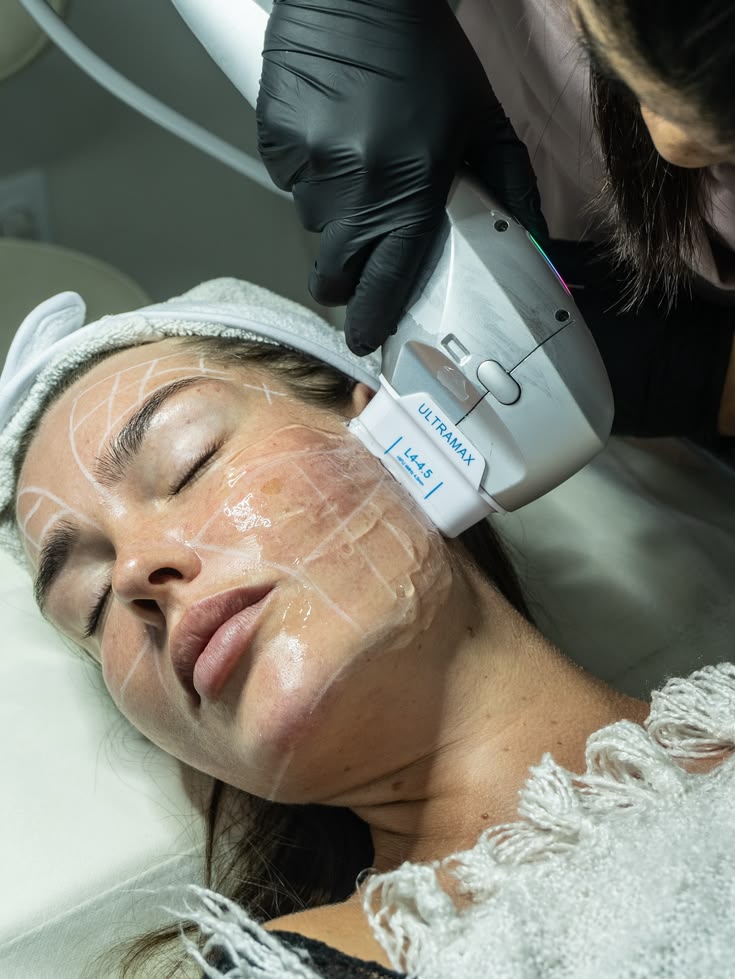
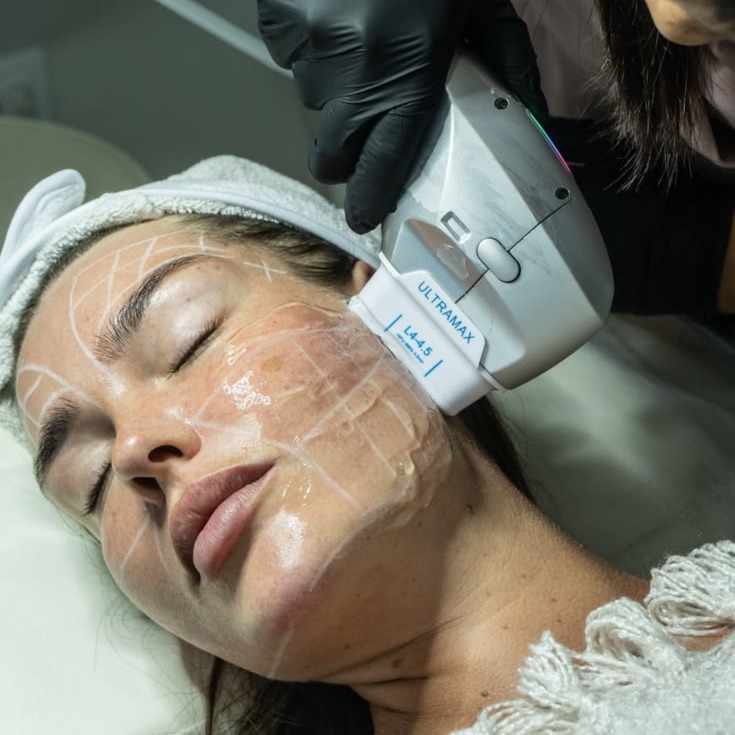
Every person's skin has different characteristics, concerns, and treatment needs. While some people notice fine lines and reduced firmness at an early age, others experience changes in facial contours gradually over time. Choosing an aesthetic treatment should therefore involve understanding how it works and whether it is appropriate for individual skin concerns. High-Intensity Focused Ultrasound (HIFU) is a non-surgical option that may help improve mild skin laxity. People considering hifu treatment in islamabad can benefit from learning how skin condition, age, and personal expectations influence treatment suitability.
Skin can vary in thickness, texture, elasticity, sensitivity, and natural oil production. These characteristics influence how the skin looks and responds to environmental factors and aesthetic procedures.
Some individuals have naturally firm skin but begin noticing slight changes around the jawline or cheeks. Others may experience dryness, uneven texture, or fine lines alongside reduced elasticity. These concerns do not automatically mean that HIFU is the right solution.
HIFU is primarily intended to address selected concerns related to skin laxity. It is not designed to treat every skin condition, remove all wrinkles, or correct issues such as pigmentation and acne scarring.
High-Intensity Focused Ultrasound uses concentrated ultrasound energy to create controlled thermal effects at selected depths beneath the skin. This process stimulates a natural tissue response associated with collagen remodelling.
Collagen is an important structural protein that supports skin firmness. As its structure changes with age, the skin may gradually lose some of its natural support. By encouraging collagen-related changes, HIFU may help improve the appearance of mild looseness in suitable treatment areas.
Unlike treatments that focus mainly on the skin's surface, HIFU targets deeper tissue layers. However, the technology and treatment settings must be appropriate for the individual. Incorrect application can increase the risk of unwanted effects.
Skin type alone does not determine whether someone can receive HIFU. A professional assessment should consider the overall condition of the skin, the treatment area, medical history, and the person's aesthetic goals.
For example, individuals with dry or oily skin may still be considered for treatment if their main concern is mild skin laxity. Those with sensitive skin should discuss their sensitivity and previous reactions during the consultation.
People with darker skin tones may also ask whether HIFU is suitable for them. Since the procedure uses ultrasound rather than relying on light energy to target pigment, skin tone is not assessed in the same way as with many laser procedures. Nevertheless, individual suitability and device-specific safety remain important.
Anyone experiencing an active infection, irritation, or other skin problem in the intended treatment area should discuss it with a qualified practitioner before proceeding.
Depending on the device and professional assessment, HIFU may be used on selected facial and neck areas where mild laxity is present.
Common areas considered include:
Not every area is suitable for every device or individual. A practitioner should explain which zones can safely be treated and what results are realistic.
The process usually starts with a consultation to understand the patient's concerns and review their skin condition. The practitioner may examine the treatment area, discuss relevant medical history, and determine whether ultrasound-based treatment is appropriate.
If the person is considered suitable, the skin is prepared and the device is used to deliver focused ultrasound energy to selected areas. Patients may feel warmth, tingling, pressure, or brief discomfort during treatment.
The experience can differ depending on the area, device, settings, and personal sensitivity. Patients should be encouraged to communicate discomfort and ask questions throughout the appointment.
HIFU results generally develop gradually rather than appearing immediately. The body's collagen response takes time, so some people may notice changes over several weeks, with further development over the following months.
Results vary according to skin condition, age, degree of laxity, treatment technique, and individual response. HIFU does not provide the same level of lifting as surgical procedures, and improvement cannot be guaranteed.
Temporary redness, swelling, tenderness, tingling, or sensitivity may occur. Less common but more serious complications can include burns or nerve-related symptoms. Proper assessment, suitable equipment, and treatment by a qualified professional help reduce avoidable risks.
Choosing a clinic is an important part of the treatment decision. Patients should look for qualified practitioners, suitable equipment, good hygiene practices, and clear explanations of the procedure and its limitations.
At enfield royal clinic, individuals interested in aesthetic procedures can explore available treatment information and discuss their concerns with the clinic's team. A consultation should help establish whether HIFU is appropriate or whether another option may better address the person's needs.
Before booking, patients should ask about practitioner experience, possible side effects, expected outcomes, and aftercare requirements. They should also feel comfortable declining treatment if their questions have not been answered.
A consistent skincare routine can support the overall appearance of the skin. Daily sun protection, gentle cleansing, appropriate moisturising, and healthy lifestyle habits are useful parts of long-term skin care.
After HIFU, patients should follow the specific instructions provided by their practitioner. They should avoid irritating products or treatments if advised and seek professional guidance if unexpected symptoms develop.
HIFU may be an option for people who want to address mild skin laxity without undergoing surgery. However, suitability depends on more than skin type alone. Skin condition, medical history, treatment goals, and realistic expectations all matter. A professional consultation can help determine whether the procedure is appropriate and support a safer, more informed approach to aesthetic care.