

Discover Personalized Care for Different Acne Scar Types
By Samina Bi communication (@samina.bicommunication) ·
Discover Personalized Care for Different Acne Scar Types
Tags: #health
By Samina Bi communication (@samina.bicommunication) ·
Discover Personalized Care for Different Acne Scar Types
Tags: #health
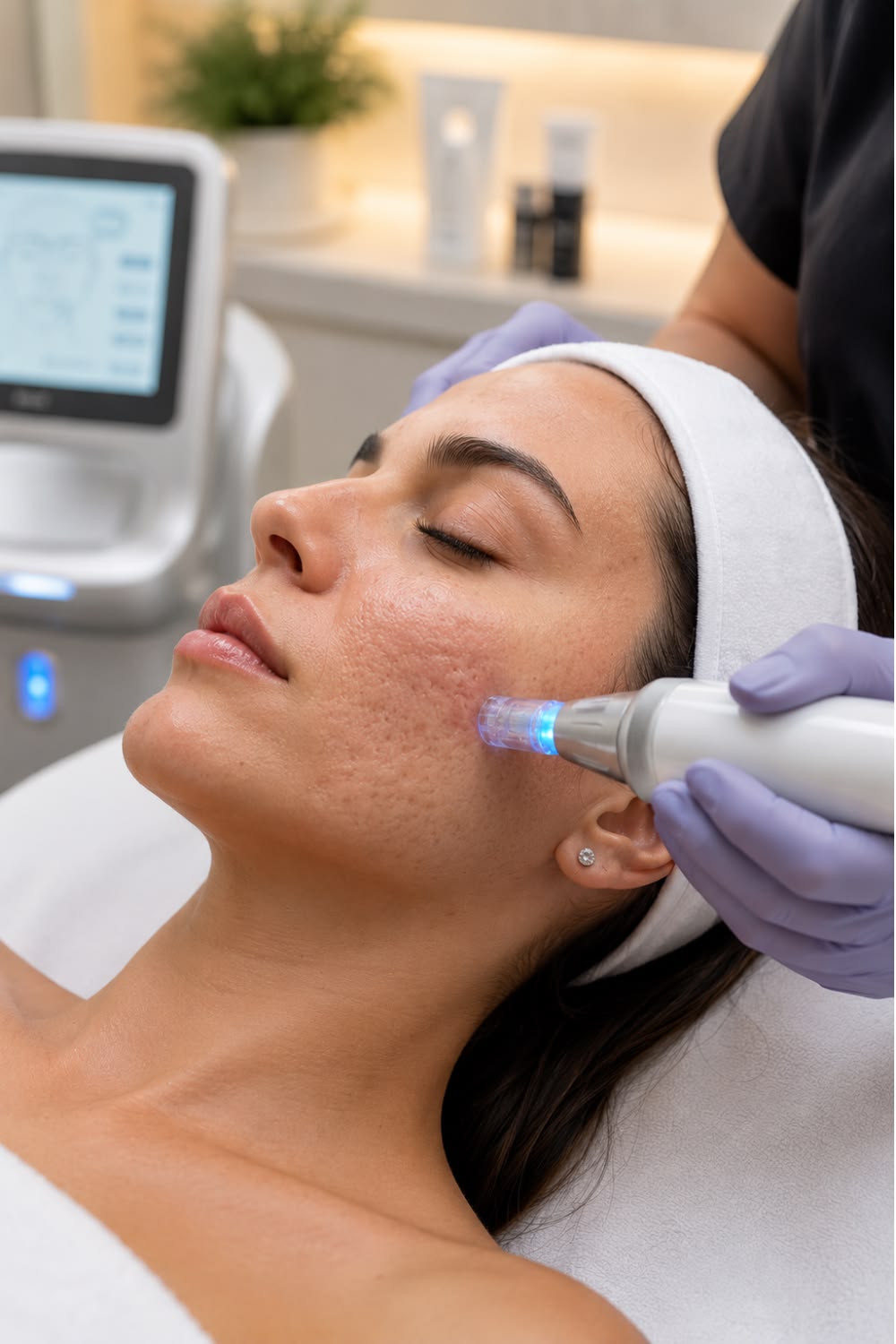

Acne scars can look different from one person to another. Some people develop small, deep indentations, while others notice broad depressions, raised marks, or uneven skin texture. Because every scar has its own structure, choosing an appropriate treatment requires more than simply selecting a popular skincare procedure. Personalized care helps address individual concerns while considering skin type, scar depth, and healing response.
Modern dermatology offers several options for improving the appearance of acne scars. People considering https://www.enfieldroyalclinics.com.pk/skin-care/acne-scar-treatment/ can explore professional procedures designed for different scar patterns. A proper skin assessment helps determine which treatments may be suitable and whether a combination approach is needed.
Acne scars usually form when inflammation damages the skin during a breakout. During the healing process, collagen production may become uneven. Insufficient collagen can create depressed scars, while excessive collagen may lead to raised marks.
The depth, shape, and location of scars influence how they respond to treatment. For example, a procedure that helps improve shallow depressions may not be effective for deep, narrow scars. Similarly, raised scars require a different approach from scars that create indentations.
A dermatologist can identify the type of scarring and recommend a treatment plan based on the skin's condition rather than using the same procedure for everyone.
Recognizing the different scar patterns is an important part of personalized care.
Ice pick scars are narrow, deep indentations that extend into the skin. They may resemble small holes and can be challenging to treat with surface-level procedures.
A specialist may consider targeted options such as punch excision or other carefully selected techniques. General resurfacing treatments may have limited effects when these scars are particularly deep.
Boxcar scars are wider depressions with clearly defined edges. They can be shallow or deep and may appear on the cheeks, temples, or other facial areas.
Depending on their depth, treatment options may include fractional laser resurfacing, microneedling, or targeted procedures. The most appropriate choice depends on the scar's structure and surrounding skin.
Rolling scars create a wave-like appearance because fibrous bands beneath the skin pull the surface downward. Subcision may be considered to release these attachments. Some patients may also benefit from microneedling or laser resurfacing to improve surrounding texture.
Hypertrophic scars and keloids develop when excessive collagen forms during healing. These scars appear raised rather than depressed.
Treatment may include corticosteroid injections, silicone-based products, or other specialist approaches. Careful assessment is important because treatments designed for indented scars may not be suitable for raised marks.
Microneedling uses fine, sterile needles to create controlled micro-injuries in the skin. This encourages the body's natural repair response and stimulates collagen production.
The procedure may improve the appearance of certain shallow boxcar and rolling scars. As collagen gradually remodels, the skin's texture may become more even.
Radiofrequency microneedling combines needle-based treatment with controlled heat energy delivered into selected skin layers. It may be considered for some patients depending on their scar pattern and skin condition.
Several sessions may be needed. Temporary redness, swelling, sensitivity, and other complications are possible, so treatment should be performed by a qualified professional.
Laser resurfacing uses focused light energy to treat selected layers of the skin. Fractional ablative lasers create controlled microscopic treatment areas, while non-ablative lasers deliver heat into deeper layers without removing as much surface tissue.
These procedures may help improve certain depressed scars and uneven texture by encouraging collagen remodelling. The type of laser and its settings should be selected according to scar depth, skin tone, and recovery needs.
Possible side effects include redness, swelling, peeling, pigmentation changes, and, less commonly, burns or scarring. People with darker skin tones may have an increased risk of post-inflammatory hyperpigmentation with some laser procedures.
Some rolling scars are connected to deeper tissue by fibrous bands. These attachments hold the skin down and make the depressions more noticeable.
Subcision involves using a specialized instrument beneath the skin to release these bands. It may improve selected tethered scars and can sometimes be combined with other treatments.
Temporary bruising, swelling, and tenderness may occur. The procedure requires appropriate training and careful assessment of facial anatomy.
Chemical peels use selected solutions to exfoliate controlled layers of the skin. Ingredients such as glycolic acid, salicylic acid, and lactic acid may help improve superficial pigmentation, dullness, and mild roughness.
They can be useful for certain post-acne marks but are generally not enough to correct deep structural scars. The strength and type of peel should be chosen according to skin sensitivity, pigmentation history, and treatment goals.
A well-planned approach considers more than the visible appearance of scars. Before beginning Acne Scars treatment in Islamabad, a dermatologist should review:
Active acne should also be controlled to help prevent new scars from developing. In some cases, different procedures may be combined to address multiple scar types. Results vary, and complete scar removal cannot be guaranteed.
Following professional aftercare instructions helps support recovery. Depending on the procedure, patients may be advised to use gentle cleansers, apply suitable moisturisers, and protect the skin with broad-spectrum sunscreen.
Avoiding harsh exfoliants, picking healing areas, and unnecessary sun exposure is also important. Patients should contact their practitioner if they notice worsening pain, unusual swelling, signs of infection, or unexpected skin changes.
Selecting a qualified dermatologist or appropriately trained medical professional helps ensure that treatment decisions are based on the patient's individual skin concerns. Patients should ask about available procedures, possible risks, recovery time, and realistic outcomes.
Personalized Acne Scars treatment in Islamabad can help address different scar patterns through carefully selected procedures. With professional guidance, appropriate aftercare, and patience, many patients may achieve a noticeable improvement in skin texture and overall appearance.
Acne Scars treatment in Islamabad should be personalized because ice pick, boxcar, rolling, and raised scars have different structures. The right treatment depends on scar type, depth, skin tone, and individual healing.
For Acne Scars treatment in Islamabad, subcision may be recommended for rolling scars that are attached to underlying tissue. Microneedling or laser resurfacing may also be considered to improve surrounding texture.
No. Acne Scars treatment in Islamabad may involve different procedures because each scar type responds differently. A dermatologist may recommend a combination of treatments to address multiple concerns.
Choosing Acne Scars treatment in Islamabad begins with a professional skin examination. A qualified dermatologist can identify the scar types, explain suitable procedures, and develop a plan based on your skin condition and expectations.
For more information visit
Enfield royal clinic in islamabad