
Log in
Back to Blog
Enjoy Better Chewing Comfort with Properly Fitted Dental Crowns
General#health

Enjoy Better Chewing Comfort with Properly Fitted Dental Crowns

November 10, 20267 min read

Chewing comfortably is an important part of everyday life. Healthy teeth help break down food properly, support clear speech, and maintain a balanced bite. However, damaged, weakened, or worn teeth can make eating uncomfortable. Patients may experience sensitivity, difficulty biting certain foods, or discomfort when pressure is applied to an affected tooth. Properly fitted dental crowns can help restore tooth function and improve everyday chewing comfort.

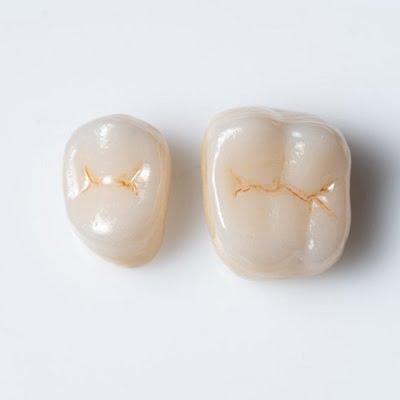
https://www.enfieldroyalclinics.com.pk/dental-clinic-islamabad/dental-crown-treatment/ are customized restorations designed to cover damaged teeth and support their remaining structure. With suitable materials and accurate placement, they can restore the tooth's shape, improve its appearance, and help distribute chewing pressure more evenly.
What Are Properly Fitted Dental Crowns?
A dental crown is a custom-made cap that covers the visible portion of a prepared tooth above the gumline. It restores the tooth's size, shape, strength, and appearance.

A properly fitted crown should sit comfortably around the prepared tooth, align with the surrounding teeth, and allow the patient to bite naturally. The dentist checks the crown's edges, contact with neighbouring teeth, and bite alignment before securing it.

A crown that is too high or poorly fitted may cause discomfort when chewing. This is why careful examination, accurate impressions, and final adjustments are important parts of treatment.
How Dental Crowns Improve Chewing Comfort
When a tooth becomes weak or damaged, normal chewing pressure may cause discomfort. A properly designed crown covers the affected tooth and provides a stable surface for biting and chewing.

It may help improve chewing comfort in several ways:

  • Restoring tooth shape: A crown replaces the missing or damaged outer structure.

  • Supporting weakened teeth: It covers the remaining tooth and helps protect it from certain fractures.

  • Improving bite balance: Proper placement helps the restored tooth work with neighbouring teeth.

  • Reducing sensitivity: Covering exposed or damaged areas may help reduce certain types of discomfort.

  • Supporting normal function: A restored tooth may make eating a wider variety of foods more comfortable.

  • The outcome depends on the original dental problem and whether the crown is the appropriate treatment.
    Common Dental Problems That May Require Crowns
    Dental crowns may be recommended for several conditions that affect tooth strength and function.
    Extensive Tooth Decay
    When decay affects a large portion of a tooth, a filling alone may not provide sufficient support. After the decay is treated, a crown may help restore the tooth's structure.
    Cracked or Broken Teeth
    A cracked or broken tooth may become uncomfortable when biting. If enough healthy structure remains, a crown may help hold the tooth together and reduce the risk of certain fractures.
    Large Dental Fillings
    Teeth with large fillings can have limited natural structure remaining. A crown may provide additional coverage when the tooth is at risk of further damage.
    Teeth After Root Canal Treatment
    Some teeth become more vulnerable after root canal treatment, particularly when significant tooth structure has been removed. A crown may be recommended depending on the tooth's location and remaining structure.
    Worn Teeth
    Long-term grinding or other forms of wear can change the tooth's shape and affect chewing. Crowns may be considered when the damage is extensive.
    Why Proper Crown Fitting Matters
    The fit of a dental crown plays an important role in comfort and function. A restoration that does not align correctly with the bite may create excessive pressure on the treated tooth.

    During placement, the dentist checks how the crown contacts the opposing teeth. Adjustments may be made to ensure the bite feels balanced and comfortable.

    The crown's edges should also fit appropriately around the prepared tooth. A suitable fit helps reduce spaces where food and bacteria could collect and makes daily cleaning easier.

    Patients should inform their dentist if they notice discomfort, pressure, or an uneven bite after placement. Minor adjustments may resolve some fitting concerns.
    Choosing the Right Dental Crown Material
    Different materials are available, and the right option depends on the tooth's position, chewing pressure, appearance, and individual dental condition.
    Zirconia Crowns
    Zirconia is a strong ceramic material that may be suitable for teeth exposed to significant chewing forces. It can also provide a natural-looking appearance.
    Porcelain Crowns
    Porcelain crowns are often selected for their aesthetic qualities. Their colour can be matched to surrounding teeth, making them suitable for visible areas.
    Ceramic Crowns
    Ceramic crowns offer tooth-coloured restoration and may be considered when appearance is an important factor.
    Porcelain-Fused-to-Metal Crowns
    These crowns combine a metal base with an outer porcelain layer, offering structural support and a tooth-coloured surface.
    Metal Crowns
    Metal crowns are known for their strength and may be considered for back teeth where appearance is less important.

    A dental professional can explain the benefits and limitations of each material.
    Understanding the Crown Treatment Process
    The procedure usually involves several stages to ensure that the restoration fits properly.

  • Dental examination: The dentist assesses the tooth, gums, and bite. X-rays may be required.

  • Tooth preparation: The affected tooth is reshaped to create room for the crown, and any necessary decay treatment is completed.

  • Impression or digital scan: Measurements are taken to create a customized restoration.

  • Temporary crown: A temporary restoration may protect the prepared tooth while the permanent crown is made.

  • Final placement: The dentist checks the fit, appearance, and bite before cementing the crown into position.

  • The number of appointments depends on the treatment method and the patient's dental condition.
    How to Maintain Your Dental Crown
    Good oral hygiene helps protect the natural tooth underneath the crown and maintain healthy gums.

    Follow these simple practices:

  • Brush twice daily with fluoride toothpaste.

  • Floss gently around the crown and gumline.

  • Avoid chewing ice and extremely hard objects.

  • Limit sugary foods and drinks.

  • Attend regular dental check-ups.

  • Contact your dentist if the crown becomes loose, damaged, or uncomfortable.

  • Remember that a crown cannot develop cavities, but the natural tooth around its edges can still decay.
    Restore Your Bite with Personalized Dental Care
    Properly fitted dental crowns can help restore damaged teeth, improve bite function, and make everyday chewing more comfortable. Their success depends on accurate preparation, suitable material selection, and careful placement.

    Patients considering Dental Crown Treatment in Islamabad should consult a qualified dental professional for a detailed examination. An individualized treatment plan can help determine whether a crown is appropriate and which restoration may best support their oral health and comfort.
    Frequently Asked Questions

  • Can dental crowns improve chewing comfort?

  • Yes, a properly fitted crown can restore the shape of a damaged tooth and provide a stable chewing surface. Dental Crown Treatment in Islamabad may help patients regain comfortable biting and chewing when a crown is clinically appropriate.
  • How do I know if my dental crown fits properly?

  • A properly fitted crown should feel comfortable and should not create an uneven bite or persistent pressure. During Dental Crown Treatment in Islamabad, the dentist checks the fit and bite alignment before final placement.
  • Can I eat normally after getting a dental crown?

  • Patients may need to avoid hard or sticky foods until the crown is securely placed and any temporary sensitivity settles. After Dental Crown Treatment in Islamabad, follow your dentist's instructions about returning to normal eating habits.

    ## 4. What should I do if my dental crown causes discomfort?


    Contact your dentist if you experience persistent pain, pressure, or difficulty chewing. An adjustment or further examination may be necessary after Dental Crown Treatment in Islamabad to identify and address the cause.

    For more information visit
    Enfield royal clinic in islamabad

    2 views 0 reactions 0 comments

    Comments

    Log in to comment