

Explore Non-Surgical Options for Under Eye Volume Restoration
By Samina Bi communication (@samina.bicommunication) ·
Explore Non-Surgical Options for Under Eye Volume Restoration
Tags: #health
By Samina Bi communication (@samina.bicommunication) ·
Explore Non-Surgical Options for Under Eye Volume Restoration
Tags: #health
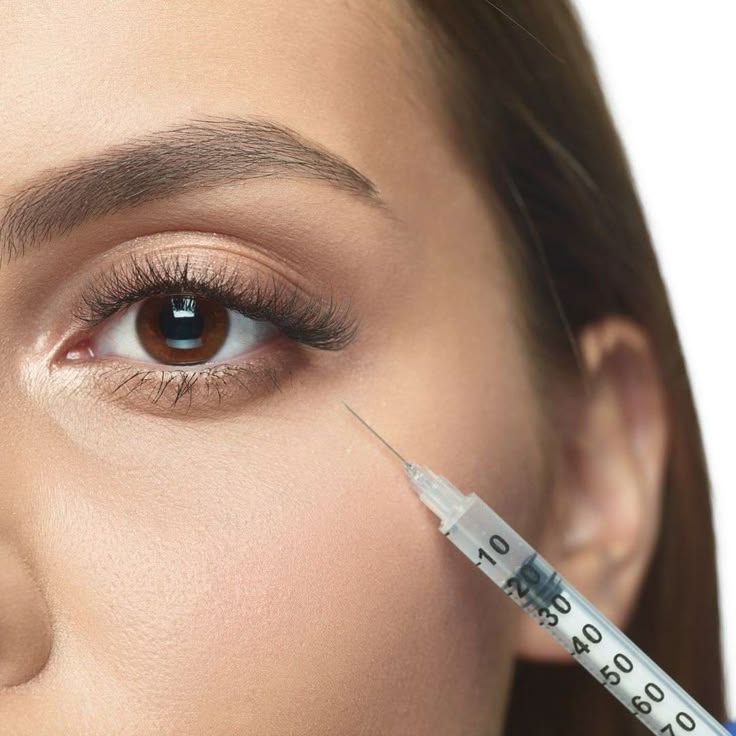

The under-eye area plays an important role in facial appearance. When the skin beneath the eyes looks hollow or sunken, it can create shadows that make the face appear tired. These changes may occur because of ageing, genetics, natural facial structure, or gradual changes in facial fat distribution.
Many people explore non-surgical treatments to improve under-eye contours without undergoing an operation. Dermal fillers are one option for selected individuals experiencing volume loss around the tear trough. However, treatment suitability depends on individual anatomy, skin quality, and the cause of the concern. Anyone considering https://www.enfieldroyalclinics.com.pk/cosmetic-injectables/under-eyes-fillers/ should begin with a professional consultation to understand the available options.
The area beneath the eyes has delicate skin and a complex structure. Over time, changes in collagen, skin elasticity, and facial fat can make natural hollows more noticeable.
Common reasons for under-eye volume changes include:
Identifying the reason behind the hollow appearance helps determine which treatment may be appropriate.
Non-surgical aesthetic treatments aim to improve selected facial concerns without traditional surgery. Different approaches may be considered depending on whether the main issue involves volume loss, pigmentation, skin texture, or puffiness.
Options may include professional skincare, selected dermatological procedures, and injectable treatments. Each method has different purposes and limitations.
For example, skincare may support skin hydration and texture, while certain dermatological treatments may target pigmentation or fine lines. Dermal fillers are specifically intended to add volume to selected areas. A qualified practitioner can explain which option best matches the patient's needs.
Dermal fillers are injectable products used to add volume beneath the skin. Hyaluronic acid fillers may be considered for certain tear trough concerns because they attract moisture and provide temporary fullness.
For suitable patients, a practitioner may place a carefully selected amount of filler to soften the appearance of hollows. The aim is to create a smoother transition between the lower eyelid and upper cheek while preserving natural facial proportions.
The treatment requires detailed knowledge of under-eye anatomy. Excessive filler or unsuitable placement may create puffiness or an uneven appearance. Therefore, conservative treatment planning is particularly important.
When a patient is appropriately selected, under-eye filler treatment may offer several aesthetic benefits.
Filler may reduce the visible depth of selected tear trough depressions caused by volume loss.
Carefully planned volume restoration may create a smoother transition between the lower eyelids and cheeks.
Softening shadows caused by hollowness may help the face look less tired.
Injectable treatment does not require traditional surgical incisions or general anaesthesia, although it remains a medical procedure with potential risks.
The amount and placement of filler can be planned according to individual anatomy and treatment goals.
The first step is a consultation with an appropriately qualified medical professional. The practitioner reviews medical history, allergies, previous cosmetic treatments, and the patient's expectations.
The under-eye region is examined to assess skin quality, volume loss, cheek support, and any existing puffiness. If filler is considered appropriate, the practitioner selects a suitable product and injection approach.
The treatment area is cleaned before injections are administered. A fine needle or cannula may be used depending on the practitioner's assessment and technique. Some temporary swelling, redness, bruising, or tenderness may occur afterward.
Patients should receive clear aftercare instructions and information about symptoms that require urgent attention.
Adults with visible tear trough hollows caused by volume deficiency may be considered for treatment. However, fillers are not suitable for everyone.
People with prominent under-eye bags, significant fluid retention, very thin skin, or certain anatomical features may not achieve a satisfactory outcome. In some cases, adding filler can make puffiness more noticeable.
A practitioner may recommend an alternative treatment or advise against injections. Honest assessment is more important than proceeding with a procedure that may not address the concern.
The under-eye region contains delicate tissues and important blood vessels. Common side effects of filler injections include bruising, swelling, redness, tenderness, temporary unevenness, and small lumps.
More serious complications can include infection, skin injury, and accidental blockage of a blood vessel. Rare vascular complications may affect vision and can cause permanent damage.
Severe or unusual pain, vision changes, or pale, grey, or mottled skin after treatment require immediate medical attention. Do not wait for a routine appointment if these symptoms occur.
Choose a qualified practitioner with specific experience in tear trough injections and appropriate arrangements for managing complications.
Follow the practitioner's aftercare instructions carefully. Patients may be advised to avoid rubbing or pressing the treated area and to limit strenuous exercise for a short period.
Mild swelling and bruising may take time to settle. Attend recommended follow-up appointments and discuss persistent concerns with the practitioner.
Hyaluronic acid fillers are temporary, and results vary according to the product, injection technique, and individual response. Further treatment should only be considered after professional reassessment.
When researching Under Eyes Fillers in Islamabad, consider the practitioner's qualifications, experience, product selection, and ability to explain potential complications. Ask how the treatment will be personalized and what alternatives may be available.
A responsible provider will discuss realistic expectations and explain when fillers are not the right choice. Patient safety should always come before promotional claims or dramatic promises.
Non-surgical under-eye volume restoration may help selected individuals improve the appearance of hollows and create smoother facial contours. Dermal fillers can be an option when volume loss is the main concern, but careful assessment and conservative treatment are essential. A professional consultation can help determine whether this approach is suitable for your individual needs.
Ageing, genetics, and natural facial structure can contribute to under-eye hollows. A consultation for Under Eyes Fillers in Islamabad can help determine whether volume loss is responsible for the appearance.
For suitable patients, hyaluronic acid fillers may add temporary volume to selected hollow areas without surgical incisions. Under Eyes Fillers in Islamabad require careful planning by a qualified practitioner.
No. People with prominent eye bags, fluid retention, or unsuitable anatomy may need different options. A professional assessment is important before choosing Under Eyes Fillers in Islamabad.
Look for appropriate medical qualifications, specific experience with tear trough injections, transparent product information, and clear emergency procedures. These factors are essential when considering **Under Eyes Fillers in Islamabad.
For more information visit
Enfield royal clinic in islamabad