

Shape Your Body with Advanced Fat Grafting Procedures
By Samina Bi communication (@samina.bicommunication) ·
Shape Your Body with Advanced Fat Grafting Procedures
Tags: #health
By Samina Bi communication (@samina.bicommunication) ·
Shape Your Body with Advanced Fat Grafting Procedures
Tags: #health
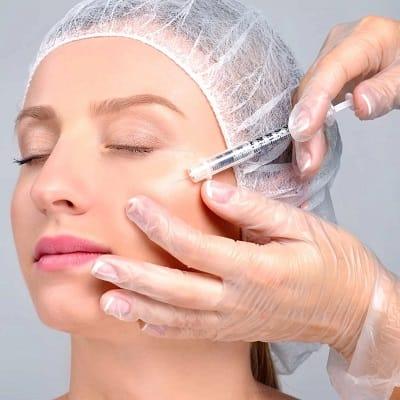

Body shape and proportions can influence how people feel about their overall appearance. Some individuals may want to improve specific body contours, restore lost volume, or create a more balanced silhouette. Fat grafting is a cosmetic procedure that uses a person's own fat to enhance selected areas of the body. It involves collecting fat from one area and transferring it to another where additional volume is desired.
https://www.enfieldroyalclinics.com.pk/cosmetic-injectables/fat-transfer-treatment/ offers individuals an opportunity to explore personalized fat grafting options with professional guidance. The procedure combines fat harvesting and placement techniques to address selected contour concerns. However, every patient has different needs, and treatment planning should consider body structure, available donor fat, health, and realistic expectations.
Fat grafting, also called fat transfer, is a cosmetic procedure in which fat is removed from a donor area using liposuction. The collected material is processed to separate suitable fat from excess fluids and unwanted components. The prepared fat is then carefully placed into the selected treatment area.
Common donor areas include the abdomen, thighs, and flanks. Depending on individual suitability, the recipient areas may include the hips, breasts, buttocks, or other areas with volume deficiencies.
The purpose is to improve selected body contours rather than provide a substitute for weight-loss treatment.
Fat transfer may help address certain areas that appear flat, uneven, or lacking volume. Moving fat between body areas can create a more balanced appearance when the procedure is appropriately planned.
Some individuals naturally have narrower hips or uneven transitions between the waist and hips. In suitable patients, fat grafting may add volume to selected areas and improve the overall body outline.
Fat transfer may provide modest breast-volume enhancement for people who prefer using their own tissue. It can also be considered for correcting selected contour irregularities. However, it may not achieve the same degree of enlargement as breast implants, and some transferred fat may be absorbed.
Fat grafting to the buttocks is sometimes considered for volume enhancement and contour improvement. This procedure carries a particularly serious risk of fat embolism, which can be life-threatening. Anyone considering it should carefully discuss safety protocols with a qualified surgeon. Established safety practices include avoiding injection into the muscle and using appropriate methods to confirm the injection plane.
Previous procedures, natural anatomy, or changes in body weight can sometimes contribute to uneven contours. Fat transfer may help improve selected irregularities after a professional assessment.
A fat grafting procedure generally involves three important stages.
The surgeon first identifies an appropriate donor area, such as the abdomen, thighs, or flanks. Fat is collected using a liposuction technique through small incisions. The amount harvested depends on the patient's available fat and treatment goals.
The collected fat is prepared using an appropriate processing method. This stage separates suitable fat from excess fluid, blood, and other unwanted material before transfer.
The prepared fat is carefully introduced into the selected recipient area. The surgeon considers body proportions, tissue characteristics, and the desired contour when planning fat placement. Not all transferred fat survives, so the final volume may differ from the initial appearance.
Fat transfer may be an option for adults who are generally healthy, have enough donor fat, and want moderate enhancement in selected areas. Individuals should have realistic expectations and understand that the procedure is not intended for significant weight reduction.
A consultation for Fat Transfer Treatment in Islamabad helps determine whether the treatment is appropriate. The surgeon may review medical history, previous procedures, medications, body proportions, and personal goals before recommending a plan.
People with certain health conditions or concerns about healing may require additional assessment or alternative treatment options.
A personalized approach helps ensure that the procedure addresses the patient's actual concerns rather than following a standard treatment pattern.
Potential benefits may include:
Results vary according to the patient's anatomy, surgical technique, and the amount of fat that survives after transfer.
Recovery depends on the amount of fat harvested and the areas treated. Patients may experience swelling, bruising, tenderness, and discomfort at both donor and recipient sites.
Following the surgeon's instructions is essential. Patients may be advised to avoid strenuous activities temporarily, follow wound-care guidance, and avoid unnecessary pressure on the treated area. Follow-up appointments help monitor healing and identify any concerns.
Some transferred fat is naturally absorbed during the healing process. The final contour may take several months to become clearer.
Fat transfer is a surgical procedure and has potential complications. These may include infection, bleeding, changes in sensation, asymmetry, contour irregularities, and partial or uneven fat absorption.
The risks differ depending on the treatment area. Buttock fat transfer requires particular caution because fat embolism can be fatal. Patients should ask about the surgeon's qualifications, experience, facility standards, and specific safety measures before proceeding.
When researching Fat Transfer Treatment in Islamabad, patients should evaluate the surgeon's credentials, experience with fat grafting, and the standards of the medical facility. A professional consultation should include a clear explanation of the procedure, realistic outcomes, recovery requirements, possible complications, and alternative options.
Avoid making decisions based only on promotional photographs or promises of guaranteed results. Informed decisions begin with honest medical advice.
Advanced fat grafting procedures can offer a personalized way to improve selected body contours and restore volume using the patient's own tissue. Careful patient selection, appropriate surgical techniques, and realistic expectations are essential. Consulting a qualified surgeon can help determine whether fat transfer is suitable for your body-shaping goals.
Fat Transfer Treatment in Islamabad is a cosmetic procedure that involves collecting fat from one body area, processing it, and transferring it to another area to improve volume and contours.
Fat Transfer Treatment in Islamabad may be considered for areas such as the hips, breasts, buttocks, and selected contour irregularities. Suitability depends on anatomy, available donor fat, and professional assessment.
Fat Transfer Treatment in Islamabad results vary because some transferred fat is naturally absorbed during healing. Fat that survives may provide long-lasting volume, although aging and weight changes can affect the outcome.
Fat Transfer Treatment in Islamabad is not suitable for everyone. Candidates generally need sufficient donor fat, good overall health, and realistic expectations. A qualified surgeon must assess individual suitability and explain possible risks.
For more information visit
Enfield royal clinic in islamabad