

Transform Your Smile with Effective Gum Grafting Solutions
By Samina Bi communication (@samina.bicommunication) ·
Transform Your Smile with Effective Gum Grafting Solutions
Tags: #health
By Samina Bi communication (@samina.bicommunication) ·
Transform Your Smile with Effective Gum Grafting Solutions
Tags: #health
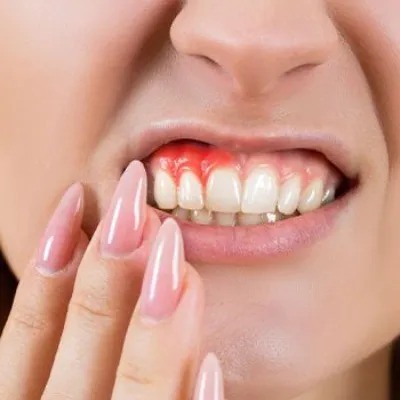

A healthy smile depends on more than straight, bright teeth. Healthy gum tissue plays an equally important role in protecting teeth, supporting oral structures, and creating a balanced appearance. When gums begin to recede, they may expose sensitive tooth roots, affect the natural gumline, and increase the risk of certain dental problems. Fortunately, modern periodontal dentistry offers solutions to address these concerns.
Gum grafting is a procedure designed to restore tissue in areas where the gums have become thin or moved away from the teeth. It can improve gum coverage, strengthen vulnerable areas, and enhance the appearance of the smile. https://www.enfieldroyalclinics.com.pk/dental-clinic-islamabad/gum-grafting/ provides an option for individuals who want to address gum recession through professional assessment and personalized dental care.
Understanding the Impact of Receding Gums
Gum recession occurs when the gum tissue gradually pulls away from the tooth surface. As the gumline moves, more of the tooth root becomes visible. This can make teeth appear longer and create uneven spaces along the gumline.
Recession may develop because of aggressive brushing, periodontal disease, genetics, tobacco use, teeth grinding, or naturally thin gum tissue. Poor oral hygiene can also contribute to inflammation that damages the supporting tissues.
Some people experience no noticeable symptoms during the early stages. Others may develop sensitivity when consuming hot or cold foods, discomfort while brushing, or visible changes in their smile. A dental examination helps identify the cause and determine whether treatment is necessary.
What Are Effective Gum Grafting Solutions?
Gum grafting involves adding suitable tissue to areas affected by recession. The tissue may be collected from the roof of the mouth, taken from another appropriate location, or obtained from processed donor material.
The dentist places the graft over or near the affected area and secures it to support healing. The goal is to improve tissue coverage, increase gum thickness, and protect exposed root surfaces.
Modern grafting techniques allow dental professionals to select an approach according to the patient's gum condition, recession pattern, and treatment objectives. Not every patient requires the same procedure, so an individual assessment is essential.
How Gum Grafting Can Transform Your Smile
One of the noticeable effects of gum recession is a change in the natural appearance of the gumline. When certain teeth have less gum coverage than others, the smile may appear uneven.
Gum grafting may help create a more balanced gumline by restoring tissue in selected areas. It can improve the appearance of exposed roots and provide a more natural transition between the teeth and gums.
The procedure also offers functional benefits. Additional tissue may protect sensitive root surfaces, increase gum thickness, and reduce irritation. Although cosmetic improvements can be valuable, the main purpose of treatment is to support gum health and protect vulnerable areas.
Different Types of Gum Grafting Procedures
Dental professionals use several grafting techniques depending on the amount of recession and the availability of healthy tissue.
Connective Tissue Graft
This is a commonly used technique for covering exposed tooth roots. Tissue is collected from beneath the surface of the palate and placed over the affected area. It may be recommended when root coverage is an important treatment goal.
Free Gingival Graft
A small piece of tissue is taken from the palate and attached to the area requiring additional gum thickness. This approach is often considered when the existing gum tissue is particularly thin.
Pedicle Graft
This technique uses nearby gum tissue that is carefully repositioned to cover an exposed root. It may be suitable when sufficient healthy tissue is available next to the affected tooth.
Donor Tissue Graft
Processed donor tissue can be used in selected cases. This option may reduce the need to collect tissue from the patient's palate. The dentist determines whether it is appropriate based on individual requirements.
Who Can Benefit from Gum Grafting?
Gum grafting may be suitable for individuals experiencing moderate or significant gum recession, exposed roots, persistent sensitivity, or insufficient gum thickness. It may also be considered when changes in the gumline affect the appearance of the smile.
However, surgery is not always the first choice. Some patients may benefit from professional cleaning, improved brushing techniques, or treatment for active periodontal disease before grafting is considered.
During consultation, the dentist examines the teeth and gums, measures recession, and evaluates the surrounding tissue. This assessment helps determine whether gum grafting is appropriate and which technique may offer the most suitable outcome.
What to Expect During the Treatment Process
The treatment begins with a dental examination and discussion of the patient's concerns. The dentist explains the recommended procedure, possible benefits, limitations, and recovery requirements.
Gum grafting is generally performed under local anesthesia to keep the treatment area comfortable. The affected site is prepared, the selected graft material is positioned, and small sutures are used to secure it.
The duration depends on the number of areas being treated and the complexity of the procedure. Patients receive specific instructions for protecting the graft during recovery.
Recovery and Proper Gum Care
Following aftercare instructions is important for supporting healing. Mild swelling, tenderness, or discomfort may occur during the first few days. Initial healing often takes around one to two weeks, while complete tissue healing may require several additional weeks.
To support recovery, patients should:
Patients should maintain regular oral hygiene, clean between their teeth, and seek professional care when signs of gum inflammation appear. Addressing teeth grinding and avoiding tobacco can also help protect periodontal health.
People considering Gum Grafting Treatment in Islamabad should discuss their expectations and dental concerns with a qualified professional to develop a suitable treatment plan.
Conclusion
Effective gum grafting solutions can help restore receding gum tissue, protect exposed tooth roots, and improve the natural appearance of the smile. By selecting an appropriate technique and following professional aftercare instructions, patients may achieve meaningful improvements in gum health. Regular dental visits and consistent oral hygiene remain essential for maintaining results and protecting teeth over time.
Frequently Asked Questions
For more information visit
Enfield royal clinic in islamabad