

What Does the Journey Behind Becoming a Skilled Yoga Practitioner Look Like?
By vashu sharma (@vashusharma) ·
What Does the Journey Behind Becoming a Skilled Yoga Practitioner Look Like?
Tags: #yoga
By vashu sharma (@vashusharma) ·
What Does the Journey Behind Becoming a Skilled Yoga Practitioner Look Like?
Tags: #yoga
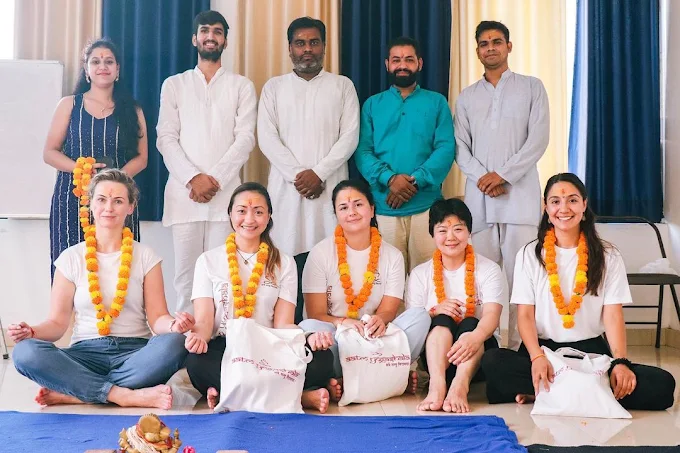

Learning yoga is a journey that develops through regular practice, observation, and experience. For some people, it begins with a simple interest in improving flexibility. Others discover yoga while searching for a new hobby, a way to manage their daily routine, or an opportunity to learn about traditional Indian practices.
With time, this initial interest can develop into something more meaningful. Students may become curious about breathing techniques, meditation, anatomy, philosophy, and the methods used by experienced instructors. Some continue learning for personal reasons, while others decide to explore professional teaching.
Rishikesh provides an environment where these different interests can come together. Its yoga schools, traditional learning spaces, and natural surroundings attract people who want to understand yoga from different perspectives. However, becoming a skilled practitioner requires more than attending classes. It involves developing the right habits, understanding personal limitations, and remaining open to continuous learning.
## The First Step: Learning to Understand Your Own Practice
Before learning how to guide others, students need to become familiar with their own practice. This means understanding basic movements, breathing patterns, alignment, and relaxation.
A yoga certificate course can introduce learners to these fundamental subjects in an organized way. Students may study basic asanas, pranayama, meditation, anatomy, and introductory yoga philosophy. These lessons help them understand that yoga is not limited to physical exercise.
Beginners should pay attention to the instructions provided by teachers and avoid rushing into difficult postures. Understanding correct techniques is more useful than trying to achieve advanced positions immediately.
Personal observation is also important. Students can notice how their bodies respond to different movements, which techniques require more attention, and how regular practice influences their daily routine.
Practicing independently can provide valuable experience, but structured education introduces a different learning process. Students get opportunities to study specific subjects, attend guided sessions, and understand the relationship between theory and practical application.
The 100 hour yoga teacher training Course in Rishikesh offers a shorter training format for people who want to explore formal yoga education. Depending on the school, the program may cover foundational asanas, pranayama, meditation, alignment, anatomy, and introductory teaching methods.
This experience can help students become familiar with the discipline required in a training environment. It also allows them to understand whether they want to continue toward a longer teacher-training program.
Before joining, learners should review the syllabus and confirm the program's objectives. They should also understand the difference between introductory training and qualifications required for professional teaching.
A practitioner who wants to become an instructor needs to develop several abilities beyond performing yoga postures. Teaching involves explaining movements, demonstrating techniques, organizing sessions, and communicating with people who have different levels of experience.
The 200 hour yoga teacher training in rishikesh generally provides a more detailed foundation for aspiring instructors. Students may study Hatha Yoga, Ashtanga Yoga, anatomy, meditation, pranayama, philosophy, class sequencing, and teaching methodology.
Practical teaching sessions help participants apply what they learn. They may practice giving instructions, guiding short classes, and receiving feedback from experienced teachers.
These activities are useful because teaching requires clarity. An instructor should be able to explain a movement in simple language and recognize when a participant needs a modification.
Professional development also involves understanding responsibility. Teachers should avoid making unsupported health claims and should recognize when a student's concerns require advice from an appropriate healthcare professional.
Completing foundational training is an important achievement, but it does not mean that a person's learning is finished. Experienced practitioners often continue exploring new subjects to improve their understanding and refine their teaching approach.
The 300 hour yoga teacher training in Rishikesh provides an advanced learning opportunity for eligible practitioners who have completed the required foundational training.
Depending on the curriculum, subjects may include advanced asanas, functional anatomy, meditation, pranayama, adjustments, sequencing, and advanced teaching methodology.
At this stage, students can examine their existing knowledge more carefully. They may explore how different practices can be adapted for various experience levels and how to create more organized teaching sessions.
Advanced learning should encourage thoughtful practice rather than unnecessary competition. A skilled instructor understands that expertise develops through continuous study, practical experience, and responsible communication.
A busy routine can make it difficult to concentrate on personal development. Work, travel, family responsibilities, and other commitments often leave little space for uninterrupted learning.
Yoga retreats provide an opportunity to temporarily change this routine. Participants can dedicate a few days to guided practice, relaxation, and personal reflection.
A 3 days yoga retreat in rishikesh can be suitable for people who want a short introduction to retreat life. It may include guided yoga, breathing exercises, meditation, and relaxation sessions.
A 5 days yoga retreat in Rishikesh gives visitors additional time to become familiar with a daily practice schedule. It can be a practical option for people who want more than a weekend experience without taking an extended holiday.
For those who prefer a complete week, a 7 days yoga retreat in rishikesh provides more time for regular sessions and personal reflection. Beginners can become familiar with basic techniques, while experienced participants can reconnect with their existing practice.
A 10 days yoga retreat in Rishikesh offers a longer opportunity to step away from everyday distractions. Participants may follow a routine involving asanas, pranayama, meditation, relaxation, and healthy meals.
An extended 14 days yoga retreat in Rishikesh can provide two weeks for people who want a more immersive experience. The additional time may allow participants to become more comfortable with the schedule and explore the surroundings at a relaxed pace.
The best duration depends on personal availability and expectations. Visitors should compare the daily schedule, accommodation, meals, instructor support, and included activities before making a decision.
Yoga education can introduce students to different approaches to concentration and relaxation. Sound-based practices are one area that some learners choose to explore alongside meditation.
A sound healing course rishikesh may introduce participants to Tibetan singing bowls, crystal bowls, tuning forks, chanting, and sound bath techniques.
Students can learn how different instruments are used during guided sessions and observe how a sound-based activity is organized. Practical demonstrations may also help them become familiar with instrument handling and session arrangements.
This subject can interest yoga instructors, meditation practitioners, and wellness learners who want to explore additional skills.
It is important to understand the purpose of such training correctly. Sound-based activities may be used as complementary relaxation experiences, but they should not be presented as a substitute for medical treatment.
Another subject connected with traditional Indian wellness is Ayurveda. It has a long history of discussing daily routines, nutrition, herbs, massage, and traditional approaches to lifestyle.
An ayurveda therapy course can introduce learners to selected Ayurvedic concepts and practical demonstrations. Depending on the program, students may study doshas, traditional massage methods, nutrition, and lifestyle practices.
For yoga practitioners, this subject can provide a broader understanding of traditional Indian knowledge. It may also encourage greater attention to daily habits, rest, and food choices.
Before enrolling, students should check the educational background of the trainers, the course syllabus, and the qualification provided. Anyone planning professional work should verify the relevant recognition and requirements for that role.
The environment surrounding a learning space can influence the overall experience. Rishikesh is known for its connection with the River Ganga and the Himalayan foothills, which offer visitors opportunities to spend time outdoors.
Walking through quieter areas, visiting riverside locations, and observing the natural surroundings can provide a refreshing break between classes.
For people who enjoy energetic outdoor experiences, Rafting In Rishikesh offers another way to explore the region. Different rafting stretches provide different experiences depending on water levels, weather, and seasonal conditions.
Visitors should use responsible operators, follow the instructions of trained guides, and wear appropriate safety equipment. Rafting should only take place when local conditions permit it.
Combining yoga education with outdoor activities can make a visit more varied, provided participants allow enough time for rest and recovery.
The learning process does not have to end when students leave Rishikesh. Many people want to continue practicing after returning to their homes, but attending a physical studio may not always be convenient.
online yoga classes provide an alternative for people who want to maintain a regular routine. Live sessions allow interaction with instructors, while recorded lessons provide flexibility for students with changing schedules.
Online programs may include asanas, stretching, pranayama, meditation, and relaxation. Students can select classes according to their experience and available time.
People searching for the best online yoga classes should examine the instructor's experience, class structure, teaching style, difficulty level, and opportunities for feedback. A suitable program should provide clear demonstrations and lessons appropriate to different experience levels.
Online sessions can support consistency, although beginners should seek appropriate guidance before attempting advanced techniques.
Consistency is one of the most important parts of developing a regular yoga practice. However, discipline does not mean pushing the body beyond its comfortable limits.
Students should learn to recognize when they need additional practice, when they should modify a movement, and when rest is necessary. A balanced approach makes it easier to continue learning over time.
Maintaining a realistic schedule can help. Some people may prefer longer sessions several times a week, while others may find shorter daily practices more manageable.
Keeping track of progress can also be useful. Students may record the techniques they have learned, subjects they want to understand better, and questions they would like to discuss with their instructors.
This approach turns practice into a gradual learning process rather than a competition.
The quality of a yoga learning experience depends on more than the number of classes included in a program. Students should consider the teaching approach, curriculum, practical sessions, facilities, and overall learning environment.
Before enrolling, it is useful to review the following points:
Complete course syllabus and daily schedule
Experience and qualifications of instructors
Balance between practical and theoretical lessons
Opportunities for feedback and teaching practice
Accommodation and meal arrangements
Certificate details and course requirements
Student support and communication
Clear information helps students make realistic decisions. It also allows them to select a program that matches their current abilities rather than choosing one based only on promotional claims.
Becoming a skilled yoga practitioner is a gradual process that involves more than learning physical postures. It requires regular practice, theoretical understanding, patience, and a willingness to continue learning.
Rishikesh offers different opportunities for people at various stages of this journey. Beginners can explore introductory education, aspiring instructors can develop teaching skills, and experienced practitioners can continue through advanced programs. Retreats, traditional wellness courses, and outdoor activities provide additional experiences during a visit.
After returning home, online learning can help students maintain their practice and continue developing their knowledge.
Every person's journey is different. The most valuable progress comes from selecting suitable learning opportunities, practicing responsibly, and remaining curious about the many dimensions of yoga.