

Why Crown Hair Transplant Is a Popular Hair Loss Solution
By Samina Bi communication (@samina.bicommunication) ·
Why Crown Hair Transplant Is a Popular Hair Loss Solution
Tags: #health
By Samina Bi communication (@samina.bicommunication) ·
Why Crown Hair Transplant Is a Popular Hair Loss Solution
Tags: #health
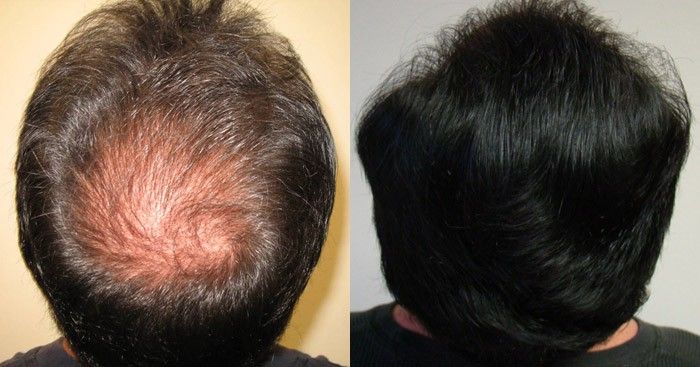

Hair loss can affect different areas of the scalp, but thinning around the crown is a particularly common concern. The crown, located at the back of the top of the head, often develops a circular pattern of hair loss that gradually becomes more visible. As the hair becomes thinner, the scalp may show through, changing the overall appearance and making people feel less confident about their hairstyle.
A https://www.enfieldroyalclinics.com.pk/hair-transplant/crown-hair-transplant/ has become a popular option for individuals experiencing permanent hair loss in this area. Modern restoration techniques allow specialists to move healthy hair follicles from a donor region into thinning sections of the scalp. With appropriate planning and realistic expectations, this procedure may help improve hair coverage and create a natural-looking appearance.
Understanding Why Crown Hair Loss Occurs
Crown hair loss is frequently associated with androgenetic alopecia, also called pattern baldness. This condition is influenced by genetics and hormonal sensitivity. Over time, affected follicles may shrink and produce thinner, shorter hairs. Eventually, some follicles may stop producing visible hair.
Other factors, such as nutritional deficiencies, certain health conditions, hormonal changes, and stress, can also contribute to hair thinning. Identifying the underlying cause is important because not every type of hair loss requires transplantation.
A professional scalp examination can help determine whether the thinning is permanent and whether the individual may benefit from surgical restoration.
Why Crown Hair Transplant Is Becoming Popular
One major reason for the popularity of crown transplantation is that it directly addresses areas where hair density has significantly decreased. Rather than relying only on styling products or temporary cosmetic solutions, the procedure uses the patient's own hair follicles.
People often consider a transplant because it may provide:
The technique does not require removing a strip of scalp and generally leaves small, scattered scars. It may be suitable for people who prefer shorter hairstyles, depending on their donor characteristics and treatment goals.
Follicular Unit Transplantation (FUT)
FUT involves removing a narrow strip of scalp from the donor area. The strip is divided into individual follicular units under magnification before the grafts are implanted into the thinning crown.
This method may be appropriate for selected patients, although it usually leaves a linear scar. The choice between FUE and FUT should be based on a professional assessment rather than popularity alone.
The Importance of Natural Crown Design
The crown has a distinctive circular hair-growth pattern, often called a hair whorl. This makes the area different from the front hairline, where hair generally follows a more predictable direction.
For a natural-looking result, the specialist must consider:
The specialist may assess the patient's age, medical history, hair-loss progression, scalp condition, and donor-area density. People with rapidly progressing hair loss may need medical management or further observation before transplantation.
Individuals exploring Crown Hair Transplant in Islamabad should arrange a consultation to discuss their condition, available techniques, expected coverage, and possible limitations.
Recovery After the Procedure
Recovery is an important part of the hair restoration journey. After transplantation, mild redness, swelling, tenderness, and small scabs may develop around the treated area. These effects usually improve as the scalp heals.
Patients should follow the surgeon's instructions carefully. This may include using recommended medications, washing the scalp gently, avoiding scratching, and limiting strenuous exercise during the advised period.
Some transplanted hairs may shed during the first few weeks. This temporary shedding is generally part of the normal hair cycle. New growth often begins to appear after three to six months, while more noticeable results develop over six to twelve months. Crown maturation may continue for up to 18 months.
How to Maintain Results After Crown Restoration
A hair transplant moves follicles into the recipient area, but it does not stop natural hair loss in untreated areas. Existing hair may continue thinning because of genetic pattern baldness.
To support long-term hair health, patients should:
Before proceeding, discuss possible complications, scarring, expected density, recovery time, and the possibility of needing additional treatment. A responsible provider will explain both the benefits and limitations without promising guaranteed results.
Conclusion
Crown hair transplantation is a popular hair loss solution because it offers suitable candidates an opportunity to improve coverage in visibly thinning areas using their own follicles. Modern FUE and FUT methods allow specialists to plan treatment according to individual hair characteristics and the natural crown pattern.
The best results depend on proper candidate selection, careful graft placement, and appropriate aftercare. A professional consultation can help determine whether transplantation is the right approach for achieving a fuller-looking crown.
Frequently Asked Questions
For more information visit
Enfield royal clinic in islamabad