POS System: A Complete Guide for Modern Businesses
A modern POS system is one of the most important tools a business can use to provide quicker service to customers, enhance day-to-day business operation, and improve customer service. Whether you are a small business owner or run a large one, a modern POS system helps you manage all sales, payments, inventory, and customer data in one location.
Traditional cash registers provide very little data and information compared to modern POS systems. A modern POS system helps business owners make better decisions based on sales data and helps reduce time-consuming work.
Stores, restaurants and other service based businesses will find a POS system benefits their day-to-day business operations.
Why Did a Point-of-Sale System Operate?
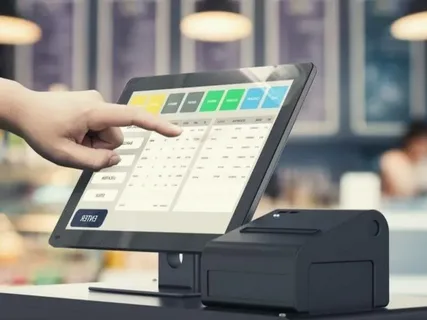
Both software and hardware form a point-of-sale system. It is used to complete business transactions. It provides the tools for a business to process payments, and manage inventory and sales.
The basics of every POS system includes:
Computer, tablet, or touch screen terminal
Barcode scanner
Receipt printer
Payment processing
Inventory management
Every time a purchase is made, the POS system records data for sales transactions, adjusts inventory levels, calculates a purchase total, and logs all sales data.
This eases the burden of a business owner with respect to data management. It simplifies and speeds up the processes of a business.
Benefits of Installing a Point of Sale (POS) System
Your business can greatly benefit from a well-built, reliable POS system.
Enhanced Efficiency and Customer Satisfaction
Improved order checkout speeds and customer satisfaction is one of the main benefits of a POS system. Using a POS system helps to significantly decrease customers' order checkout wait times because they can automatically calculate the total order price, total the order with applicable discounts, and process the payment. In addition, order checkout wait times can significantly decrease thanks to increased employee order checkout speeds, which in turn helps to deliver better customer service.
Better Inventory Management
Stock is an important part of every business, and the management of stock helps avoid numerous stock issues, such as losing customers due to stock shortages. A POS system is designed to manage inventory in a way that helps a business determine which products sell the most.
Some of the main benefits to inventory management with a POS system include:
Automated system stock updates after a sale occurs.
Automated low-stock alerts.
Improved inventory tracking, with a reduced chance of errors.
This helps a business maintain optimal stock levels.
More Accurate Sales Reports
A modern POS system helps to improve a business's sales and performance by providing analysis for sales trends and customer buying habits. This analysis also helps to identify which products sell the most.
An overview of performance reports is also available to track and analyze employee performance.
Improved Customer Service
The main purpose of a POS system is to manage customer interactions and transactions, and ultimately ensure a satisfied customer. A POS system helps to improve checkout speed and accuracy for order completions and receipt printing. Some systems help improve customer interaction management with customer information tracking, customer records, customer account interactions, and customer loyalty programs.
Different Types of POS Systems
There are several different types of POS systems, and the type of system you need depends on your business.
POS Systems for Retail Businesses
All retail business transactions, such sales, payments, inventory control, and barcode scanning, are managed by a POS system.
Standard examples are:
Clothing stores
Grocery stores
Electronics stores
Convenience stores
Restaurant POS System
Restaurants use specialized POS systems to manage orders, tables, kitchens, and payments.
Restaurant POS Systems include:
Table management
Order printing for the kitchen
Menu management
Order tracking for deliveries
Cloud-Based POS System
For business owners, a cloud-based POS system takes the hassle out of managing and updating data since it is accessible anytime and anywhere.
It is ideal for businesses with multiple locations as the data can be centrally maintained and updated.
How to Choose the Right POS System
The right POS system is determined by the size and nature of your business and your desired future state.
Key things to consider before buying a POS system include: the business owner’s future state, the specific business needs, the ease of use, the payment flexibility, and security.
A scalable POS system is a good investment for the long run.
Why Businesses Are Moving Towards Modern POS Solutions
Modern POS solutions are replacing cash registers because they offer businesses more control and flexibility. A good modern POS solution offers the ability to manage sales, customers, employees, and even inventory.
For businesses looking to automate and manage their operations better, POS software is definitely worth the investment.
Particularly for multi-country businesses, using an Ireland POS system for example, would be useful to satisfy local business needs and payment preferences.
POS System FAQs
What do POS systems do?
POS (point-of-sale) systems log sales, accept payments, oversee inventory, produce numerous kinds of reports, and help improve customer service.
Does size of business matter for POS implementation?
No, from small shops to small restaurants to small service-based businesses, a POS system fits the needs of a business of any size.
Do POS systems need internet access?
A POS may not need to connect to the internet all the time, but systems that are cloud-based require a constant connection in order to access real-time data.
Can a POS system do inventory management?
Yes, almost every modern POS system has an automation feature that helps users track inventory levels of certain products.
How do POS systems help with growth?
Every sale and every transaction becomes less manual, and a better informed business makes better decisions.
Key Takeaways
Implementing a POS system helps a business manage its sales and inventory. It also helps improve customer engagement. POS systems help organizations prioritize customer-centric services. A POS system also helps a business become more efficient.
Choosing the right POS system is linked to the industry you work in, your business size, and of course your future goals. With the flexibility that most POS systems have, a POS system can help a business save time and become less error prone, while improving customer satisfaction.
POS System: A Complete Guide for Modern Businesses
A modern POS system is one of the most important tools a business can use to provide quicker service to customers, enhance day-to-day business operation, and improve customer service. Whether you are a small business owner or run a large one, a modern POS system helps you manage all sales, payments, inventory, and customer data in one location.
Traditional cash registers provide very little data and information compared to modern POS systems. A modern POS system helps business owners make better decisions based on sales data and helps reduce time-consuming work.
Stores, restaurants and other service based businesses will find a POS system benefits their day-to-day business operations.
Why Did a Point-of-Sale System Operate?
Both software and hardware form a point-of-sale system. It is used to complete business transactions. It provides the tools for a business to process payments, and manage inventory and sales.
The basics of every POS system includes:
Computer, tablet, or touch screen terminal
Barcode scanner
Receipt printer
Payment processing
Inventory management
Every time a purchase is made, the POS system records data for sales transactions, adjusts inventory levels, calculates a purchase total, and logs all sales data.
This eases the burden of a business owner with respect to data management. It simplifies and speeds up the processes of a business.
Benefits of Installing a Point of Sale (POS) System
Your business can greatly benefit from a well-built, reliable POS system.
Enhanced Efficiency and Customer Satisfaction
Improved order checkout speeds and customer satisfaction is one of the main benefits of a POS system. Using a POS system helps to significantly decrease customers' order checkout wait times because they can automatically calculate the total order price, total the order with applicable discounts, and process the payment. In addition, order checkout wait times can significantly decrease thanks to increased employee order checkout speeds, which in turn helps to deliver better customer service.
Better Inventory Management
Stock is an important part of every business, and the management of stock helps avoid numerous stock issues, such as losing customers due to stock shortages. A POS system is designed to manage inventory in a way that helps a business determine which products sell the most.
Some of the main benefits to inventory management with a POS system include:
Automated system stock updates after a sale occurs.
Automated low-stock alerts.
Improved inventory tracking, with a reduced chance of errors.
This helps a business maintain optimal stock levels.
More Accurate Sales Reports
A modern POS system helps to improve a business's sales and performance by providing analysis for sales trends and customer buying habits. This analysis also helps to identify which products sell the most.
An overview of performance reports is also available to track and analyze employee performance.
Improved Customer Service
The main purpose of a POS system is to manage customer interactions and transactions, and ultimately ensure a satisfied customer. A POS system helps to improve checkout speed and accuracy for order completions and receipt printing. Some systems help improve customer interaction management with customer information tracking, customer records, customer account interactions, and customer loyalty programs.
Different Types of POS Systems
There are several different types of POS systems, and the type of system you need depends on your business.
POS Systems for Retail Businesses
All retail business transactions, such sales, payments, inventory control, and barcode scanning, are managed by a POS system.
Standard examples are:
Clothing stores
Grocery stores
Electronics stores
Convenience stores
Restaurant POS System
Restaurants use specialized POS systems to manage orders, tables, kitchens, and payments.
Restaurant POS Systems include:
Table management
Order printing for the kitchen
Menu management
Order tracking for deliveries
Cloud-Based POS System
For business owners, a cloud-based POS system takes the hassle out of managing and updating data since it is accessible anytime and anywhere.
It is ideal for businesses with multiple locations as the data can be centrally maintained and updated.
How to Choose the Right POS System
The right POS system is determined by the size and nature of your business and your desired future state.
Key things to consider before buying a POS system include: the business owner’s future state, the specific business needs, the ease of use, the payment flexibility, and security.
A scalable POS system is a good investment for the long run.
Why Businesses Are Moving Towards Modern POS Solutions
Modern POS solutions are replacing cash registers because they offer businesses more control and flexibility. A good modern POS solution offers the ability to manage sales, customers, employees, and even inventory.
For businesses looking to automate and manage their operations better, POS software is definitely worth the investment.
Particularly for multi-country businesses, using an Ireland POS system for example, would be useful to satisfy local business needs and payment preferences.
POS System FAQs
What do POS systems do?
POS (point-of-sale) systems log sales, accept payments, oversee inventory, produce numerous kinds of reports, and help improve customer service.
Does size of business matter for POS implementation?
No, from small shops to small restaurants to small service-based businesses, a POS system fits the needs of a business of any size.
Do POS systems need internet access?
A POS may not need to connect to the internet all the time, but systems that are cloud-based require a constant connection in order to access real-time data.
Can a POS system do inventory management?
Yes, almost every modern POS system has an automation feature that helps users track inventory levels of certain products.
How do POS systems help with growth?
Every sale and every transaction becomes less manual, and a better informed business makes better decisions.
Key Takeaways
Implementing a POS system helps a business manage its sales and inventory. It also helps improve customer engagement. POS systems help organizations prioritize customer-centric services. A POS system also helps a business become more efficient.
Choosing the right POS system is linked to the industry you work in, your business size, and of course your future goals. With the flexibility that most POS systems have, a POS system can help a business save time and become less error prone, while improving customer satisfaction.