

Scalp Micropigmentation vs. Hair Transplant: Understanding the Differences
By Samina Bi communication (@samina.bicommunication) ·
Scalp Micropigmentation vs. Hair Transplant: Understanding the Differences
Tags: #health
By Samina Bi communication (@samina.bicommunication) ·
Scalp Micropigmentation vs. Hair Transplant: Understanding the Differences
Tags: #health
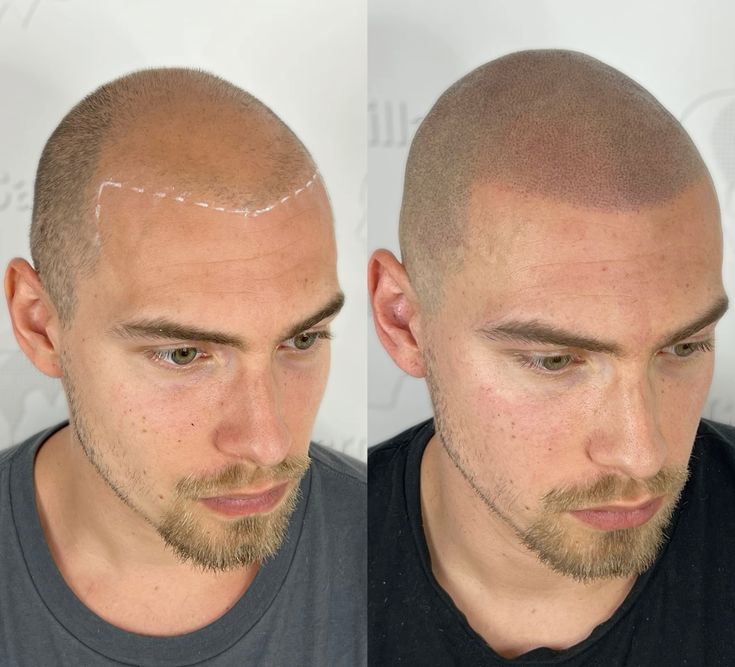

Hair loss can affect appearance, confidence, and personal style. Fortunately, several options are available for people who want to improve the look of thinning hair or restore their hairline. Two commonly considered options are scalp micropigmentation and hair transplantation. Although both aim to improve the appearance of hair loss, they work in very different ways.
https://www.enfieldroyalclinics.com.pk/hair-transplant/scalp-micropigmentation/* may appeal to people seeking a non-surgical cosmetic solution, while a hair transplant may suit individuals who want to restore actual hair growth in selected areas. Understanding the differences between these treatments can help you choose an approach that matches your goals, budget, and expectations.
Scalp micropigmentation (SMP) is a non-surgical cosmetic procedure that uses specialized pigments to create tiny dots resembling natural hair follicles. A trained practitioner places these dots across selected scalp areas to create the appearance of greater density or a closely shaved hairstyle.
SMP may be considered for receding hairlines, thinning areas, bald patches, and certain hair transplant scars. It can also help create a more defined hairline for people who prefer a short hairstyle.
However, SMP does not grow new hair or increase the number of functioning hair follicles. It changes the visual appearance of the scalp rather than treating the underlying cause of hair loss.
A hair transplant is a surgical procedure that moves hair follicles from a donor area, usually the back or sides of the scalp, to areas affected by hair loss. The transplanted follicles can continue producing hair after healing, provided they survive and grow successfully.
Two common techniques are Follicular Unit Extraction (FUE) and Follicular Unit Transplantation (FUT). FUE involves removing individual follicular units, while FUT involves removing a strip of scalp tissue from which follicular units are prepared for transplantation.
A hair transplant may provide actual hair growth in suitable candidates. However, results depend on factors such as donor hair availability, the pattern of hair loss, surgical technique, and individual healing.
The main difference is that SMP creates a cosmetic illusion of hair, whereas transplantation moves living hair follicles.
Here is a comparison of important factors:
Neither option guarantees a perfect result. A professional assessment is important before making a decision.
One major advantage of SMP is that it does not require surgery or the transfer of hair follicles. It may be suitable for people who prefer a shaved hairstyle or want to make thinning areas less noticeable without undergoing a transplant.
Other potential benefits include a defined-looking hairline, camouflage of selected scars, and a treatment plan tailored to the individual's scalp and preferences. The procedure can also be considered by people with limited donor hair, although suitability depends on the area being treated and the desired appearance.
People considering Scalp Micropigmentation in Islamabad should ask about pigment selection, practitioner experience, hygiene standards, expected results, and the possibility of future touch-ups.
Hair transplantation can restore actual hair growth in carefully selected areas. Once the transplanted follicles establish themselves, they may produce hair that can be cut and styled like other hair.
However, transplantation is a surgical procedure with potential risks, including infection, bleeding, scarring, swelling, and temporary shedding. Not everyone has enough suitable donor hair, and some people may need additional treatment to address continued hair loss.
New hair growth does not appear immediately. Transplanted hairs often shed initially, with visible growth developing over subsequent months. The final outcome can take around 12 months or longer, depending on the individual and the treatment area.
The best choice depends on your priorities. If you want the appearance of a closely shaved head, greater visual density, or camouflage for certain scars without surgery, SMP may be worth discussing with a qualified practitioner.
If your goal is to grow hair in areas affected by hair loss, a transplant may be more appropriate if you are a suitable candidate. A dermatologist or qualified hair-restoration specialist can assess your hair loss pattern, donor area, scalp health, and long-term expectations.
In some cases, SMP and hair transplantation may complement each other. For example, SMP may help camouflage visible transplant scars or create the appearance of additional density around transplanted hair. Any combined approach should be planned carefully by appropriately qualified professionals.
Costs vary according to the treatment area, provider, number of sessions, and complexity of the case. SMP may involve several appointments and occasional maintenance, while a hair transplant may have a higher initial cost because it involves surgery and specialized clinical care.
Recovery also differs. SMP generally requires following skin-care instructions during healing. A transplant requires specific aftercare to protect grafts, manage swelling, and support healing.
When comparing prices, consider the full treatment plan rather than the initial fee alone. Ask about follow-up appointments, maintenance costs, possible additional sessions, and what happens if the result does not meet your expectations.
Scalp micropigmentation and hair transplantation offer different approaches to managing the appearance of hair loss. SMP creates the look of hair follicles using pigment, while transplantation moves living follicles to support natural hair growth. Neither treatment is right for everyone. A professional consultation can help you compare the benefits, limitations, risks, and long-term costs before deciding whether Scalp Micropigmentation in Islamabad or a hair transplant better suits your needs.
Neither option is universally better. Scalp Micropigmentation in Islamabad may suit people who want cosmetic camouflage without surgery, while a hair transplant may be more appropriate for eligible individuals seeking actual hair growth.
When performed by an experienced practitioner, Scalp Micropigmentation in Islamabad can create the appearance of natural-looking hair follicles. Results depend on pigment colour, dot placement, skin characteristics, and hairline design.
Yes, in selected cases, Scalp Micropigmentation in Islamabad may complement a hair transplant by camouflaging certain scars or improving the appearance of density. A qualified professional should assess suitability and plan the treatments.
Results may remain visible for several years, but pigment can gradually fade or change in appearance. Scalp Micropigmentation in Islamabad may require touch-up sessions to maintain the desired cosmetic effect.
For more information visit
Enfield royal clinic in islamabad