

U4GM Diablo 4 What War Plans Do for Endgame Loot
By Hartmann Werner (@hartmann846) ·
U4GM Diablo 4 What War Plans Do for Endgame Loot
Tags: #diablo 4 items
By Hartmann Werner (@hartmann846) ·
U4GM Diablo 4 What War Plans Do for Endgame Loot
Tags: #diablo 4 items
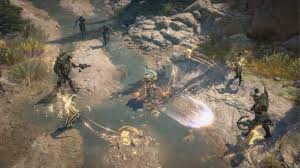

War Plans changes the rhythm of Diablo IV's late game in a way you notice almost straight away. Instead of bouncing from one activity to the next with no real thread between them, you build a proper route and run it like a planned farming session. That matters when you're chasing materials, glyph progress, gold, or stronger diablo 4 items without wasting half your night sorting keys and deciding what to do next. The feature lets players chain several endgame activities into one ordered plan, so Helltides, Nightmare Dungeons, Infernal Hordes, Kurast Undercity, Lair Bosses, and The Pit can all sit inside the same loop.
How the system fits into endgame play
After pushing through the later Lord of Hatred campaign content and the related priority quest, players get access to the Command Table in Temis, the main hub in Skovos. From there, you can set up a War Plan with up to five activities. It's not just a menu trick either. The system cuts out a lot of the old setup pain, since required entry items such as Nightmare Sigils or Infernal Horde Compasses can be generated as part of the plan. That's a big deal for anyone who remembers stopping every few runs just to craft, sort, or dig through the stash.
Activity trees give the mode its staying power
The real hook is the Activity Skill Tree system. Each endgame activity has its own tree, and completing runs earns Activity Experience for that specific track. Over time, you spend points on bonuses that match how you like to farm. A Helltide player might choose more elite pressure and better chest value. Someone living in Kurast Undercity may push toward improved tribute rewards, Forgotten Souls, and cleaner material returns. It gives the endgame a sense of account growth that doesn't vanish the moment a new weapon drops. You're still upgrading your character, sure, but you're also shaping the activities themselves.
Popular routes and reward flow
Players have already started treating War Plans like route planning. Fast activities often go early, because short clears keep rewards moving and reduce the chance of a failed chain. Kurast Undercity is popular for that reason; it's quick, focused, and easy to tune toward the rewards you want. The Pit stays important for glyph experience and difficulty pushing, while Infernal Hordes remains a strong pick when you need materials and Obducite in bulk. War Chests help the whole thing feel less messy. Instead of breaking pace after every activity, loot lands in a larger payout at the end, with caches, reagents, gold, keys, and crafting resources scaling by route length and challenge.
Where players still want changes
The roughest part is co-op. War Plans are personal, not truly shared, so party members can end up on different steps even when they started with the same goal. Friends can work around it by alternating whose plan gets priority, but that's clunky and it doesn't feel great in a game that's often better with a group. The fixed order also divides opinion. Some players like the structure; others hate being unable to jump ahead when an activity is already available. Even so, the system gives people a clearer reason to log in, farm, and improve, whether they're grinding naturally or checking market options such as Diablo 4 Items buy while planning their next long session through Sanctuary.Diablo 4's War Plans give endgame farming a real rhythm, and U4GM helps you stay ready for every chain. Set up runs through Kurast Undercity, Helltides, The Pit, or Infernal Hordes, visit https://www.u4gm.com/diablo-4/items for reliable item support, and keep your build moving without losing time to the grind.