

Warts Removal: Understanding Cryotherapy and Other Techniques
By Samina Bi communication (@samina.bicommunication) ·
Warts Removal: Understanding Cryotherapy and Other Techniques
Tags: #health
By Samina Bi communication (@samina.bicommunication) ·
Warts Removal: Understanding Cryotherapy and Other Techniques
Tags: #health
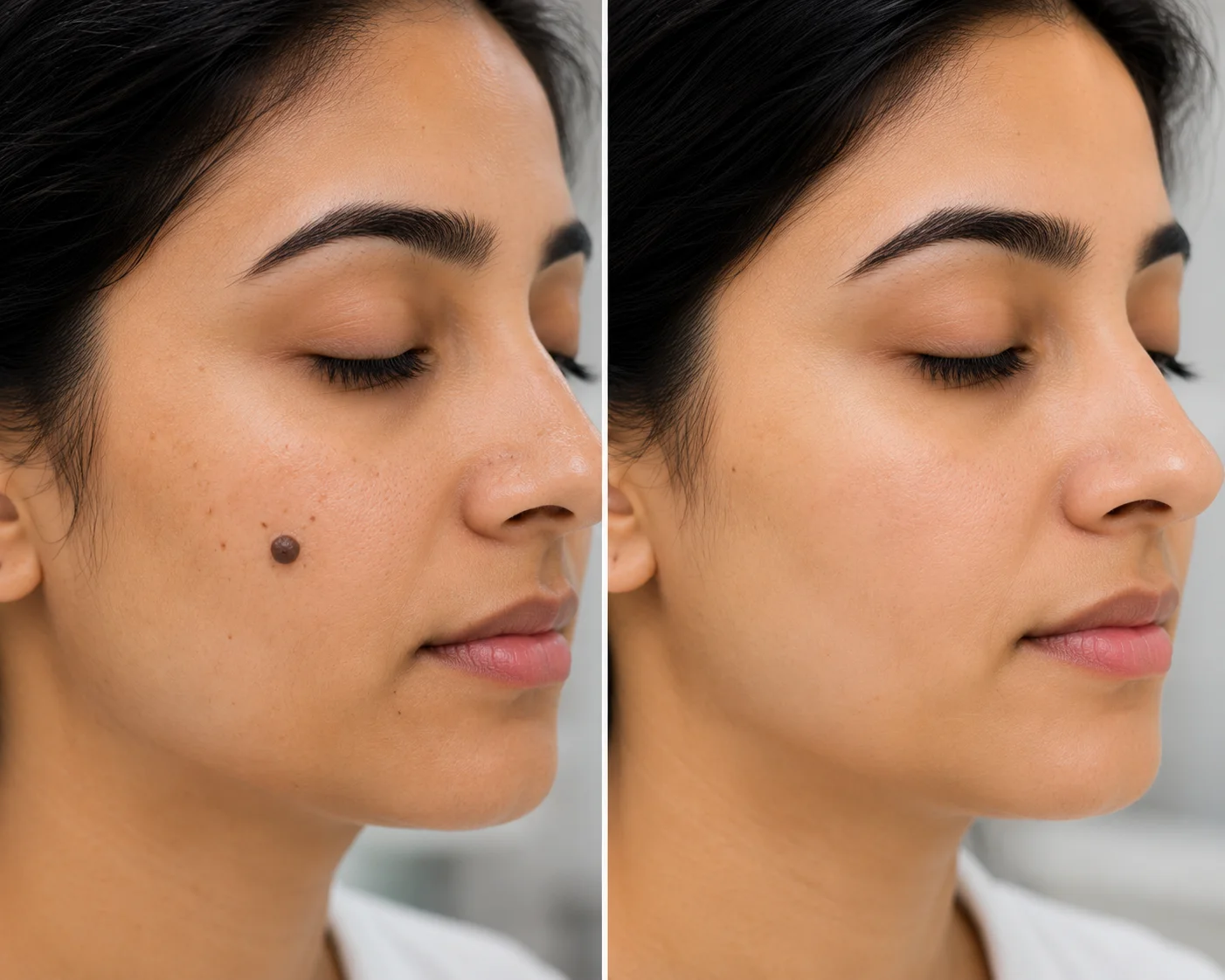

Warts are common skin growths caused by certain types of human papillomavirus (HPV). They may develop on the hands, fingers, feet, face, or other areas of the body. While many warts are harmless, some cause discomfort, spread to nearby skin, or affect a person's confidence. Understanding the available removal techniques can help people make informed decisions about treatment.
Cryotherapy is one commonly used option, but it is not suitable for every wart. Other approaches include topical medicines, electrosurgery, curettage, and laser treatment for selected cases. People considering https://www.enfieldroyalclinics.com.pk/laser-treatments/warts-removal/ can benefit from a professional assessment to identify the growth and determine which treatment best suits its location, size, and characteristics.
Cryotherapy is a treatment that uses extreme cold, commonly liquid nitrogen, to destroy unwanted wart tissue. The healthcare professional applies the freezing agent directly to the wart using an appropriate technique. The treated tissue may blister, gradually dry, and eventually shed as the skin heals.
Cryotherapy is often considered for common warts on the hands and certain plantar warts on the feet. Depending on the wart's size, thickness, and response, multiple sessions may be needed.
The procedure is usually brief, although the experience can vary. Patients may feel stinging, burning, or temporary discomfort during and after treatment. Blistering, redness, swelling, and changes in skin colour can also occur.
During a consultation for Warts removal in Islamabad, ask your provider how many sessions might be required and what to expect during recovery. Results vary, and cryotherapy does not guarantee that a wart will never return.
One advantage of cryotherapy is that it can be performed in a clinical setting without surgically cutting out the wart. It may be useful when a wart has not responded to simpler treatment or when a clinician determines that freezing is an appropriate option.
However, cryotherapy has limitations. Some warts are resistant to treatment, and repeated sessions may be necessary. The procedure can cause temporary pain or blistering, and there is a risk of scarring or pigment changes, particularly in people whose skin is more prone to pigmentation changes after inflammation.
The location also matters. Facial skin, sensitive areas, and growths near the eyes require particular care. Cryotherapy should be performed by a qualified professional who can assess the risks and select an appropriate method.
Salicylic acid is a topical treatment that gradually breaks down layers of affected skin. It may be suitable for certain common warts and plantar warts. Treatment generally requires regular application over several weeks, following product directions or professional advice.
Topical treatments are not appropriate for every growth or body area. Ordinary over-the-counter wart products should not be used on the face or genital area without medical guidance. People with diabetes, poor circulation, or reduced sensation in their feet should seek medical advice before treating foot warts.
Other prescription treatments may be considered for specific cases. A healthcare professional can explain which products are suitable and how to reduce the risk of irritation or injury.
Electrosurgery uses electrical energy to destroy wart tissue, while curettage involves removing the growth with an appropriate instrument. These techniques may be considered for selected warts, including some that have resisted other treatments.
Local anaesthesia may be used to reduce discomfort. The area may require wound care while it heals, and patients should follow the clinician's instructions closely.
Possible risks include bleeding, infection, scarring, and changes in skin pigmentation. The suitability of these methods depends on the wart's location, the patient's medical history, and the clinician's assessment.
Laser treatment may be an option for certain difficult or persistent warts. Depending on the laser and technique used, the treatment targets tissue associated with the wart. It is generally considered on a case-by-case basis rather than as the first choice for every wart.
Possible disadvantages include discomfort, healing time, scarring, and pigment changes. Not every wart responds equally, and recurrence remains possible.
Anyone considering Warts removal in Islamabad should ask whether laser treatment is appropriate for their specific condition, what alternatives are available, and what the expected costs and recovery requirements may be.
The best treatment depends on several factors, including the wart's type, size, location, duration, and response to previous treatment. Your medical history and personal preferences also matter.
A healthcare professional should first confirm that the growth is a wart. Some other skin conditions can look similar and may require different management. Seek assessment promptly if a growth changes rapidly, bleeds without an obvious cause, becomes increasingly painful, or looks unusual.
Avoid cutting, burning, or picking at warts yourself. These actions can injure the skin and may spread HPV to nearby areas. When comparing providers for Warts removal in Islamabad, ask about their qualifications, infection-control practices, possible side effects, aftercare instructions, and the likelihood of needing more than one session.
Recovery varies by treatment. After cryotherapy, a blister may develop before the treated tissue sheds. Following other procedures, the skin may need cleaning, protection, or a dressing.
Follow the aftercare instructions provided by your clinician. Do not pick at blisters or scabs, and avoid applying unapproved products to the treated area. Contact your healthcare professional if you experience worsening pain, spreading redness, pus, or fever.
Warts may recur even after successful treatment because the virus can remain in surrounding skin. Avoid sharing personal grooming tools, wash your hands after touching a wart, and do not scratch the affected area.
Cryotherapy is a widely used wart removal technique, but topical treatments, electrosurgery, curettage, and laser treatment may be appropriate in selected cases. Each method has different benefits, limitations, and recovery requirements.
If you are considering Warts removal in Islamabad, arrange a consultation with a qualified healthcare professional. An accurate diagnosis and personalized treatment plan can help you understand your options, reduce avoidable risks, and set realistic expectations for recovery.
Cryotherapy can clear many warts, but results depend on the wart's type, size, and response to treatment. Multiple sessions may be required. A consultation for Warts removal in Islamabad can help determine whether freezing is suitable.
The number of sessions varies. Some warts respond after one treatment, while others require several appointments spaced according to professional advice. During Warts removal in Islamabad, ask your provider about the expected treatment schedule.
Neither method is best for every case. Cryotherapy is commonly used for suitable warts, while laser treatment may be considered for selected persistent growths. A specialist offering Warts removal in Islamabad can explain the benefits and risks of each option.
Yes. Warts can return because HPV may remain in surrounding skin, even after the visible growth disappears. After Warts removal in Islamabad, follow your clinician's aftercare advice and seek reassessment if the growth returns.
For more information visit
Enfield royal clinic in islamabad