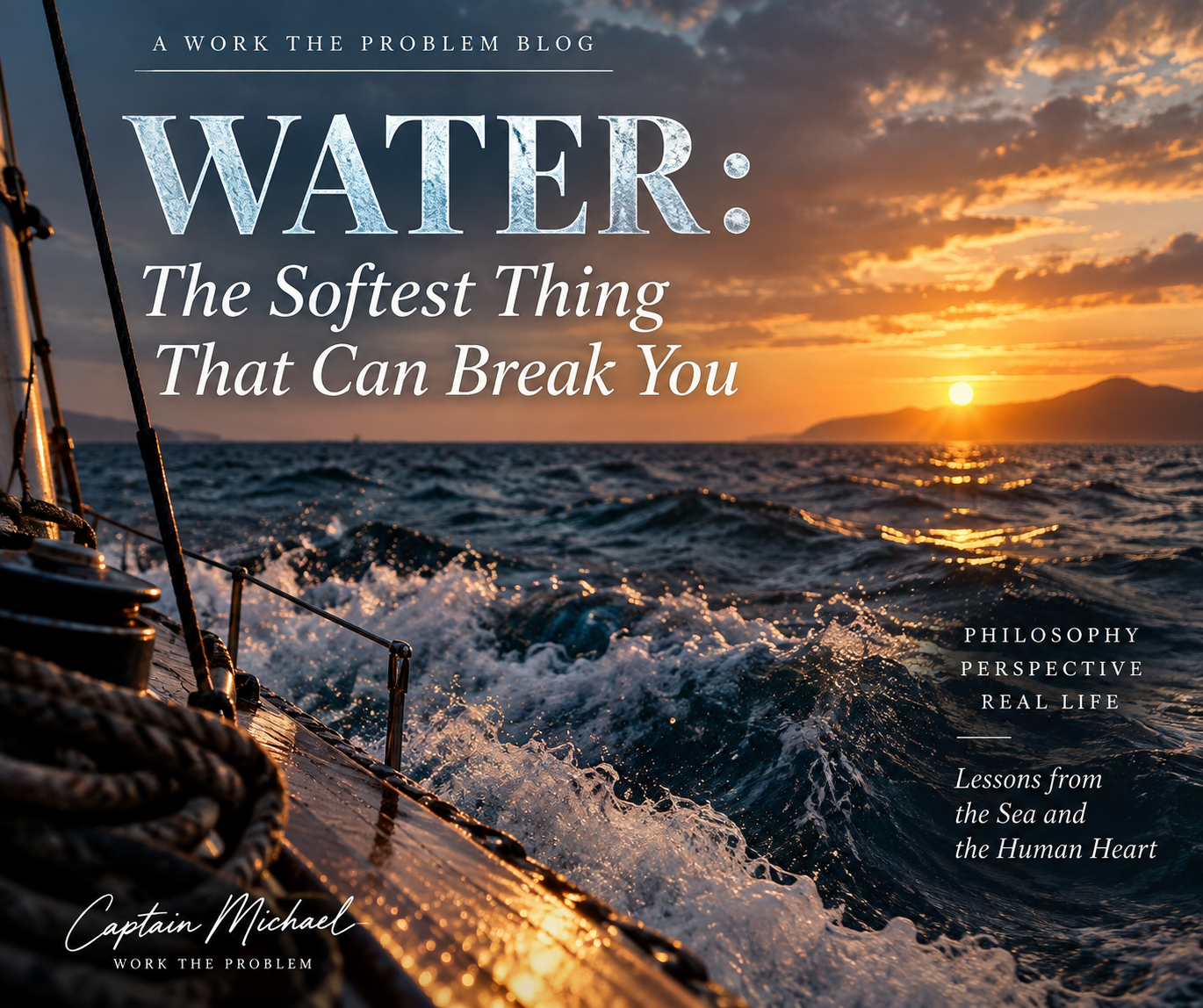
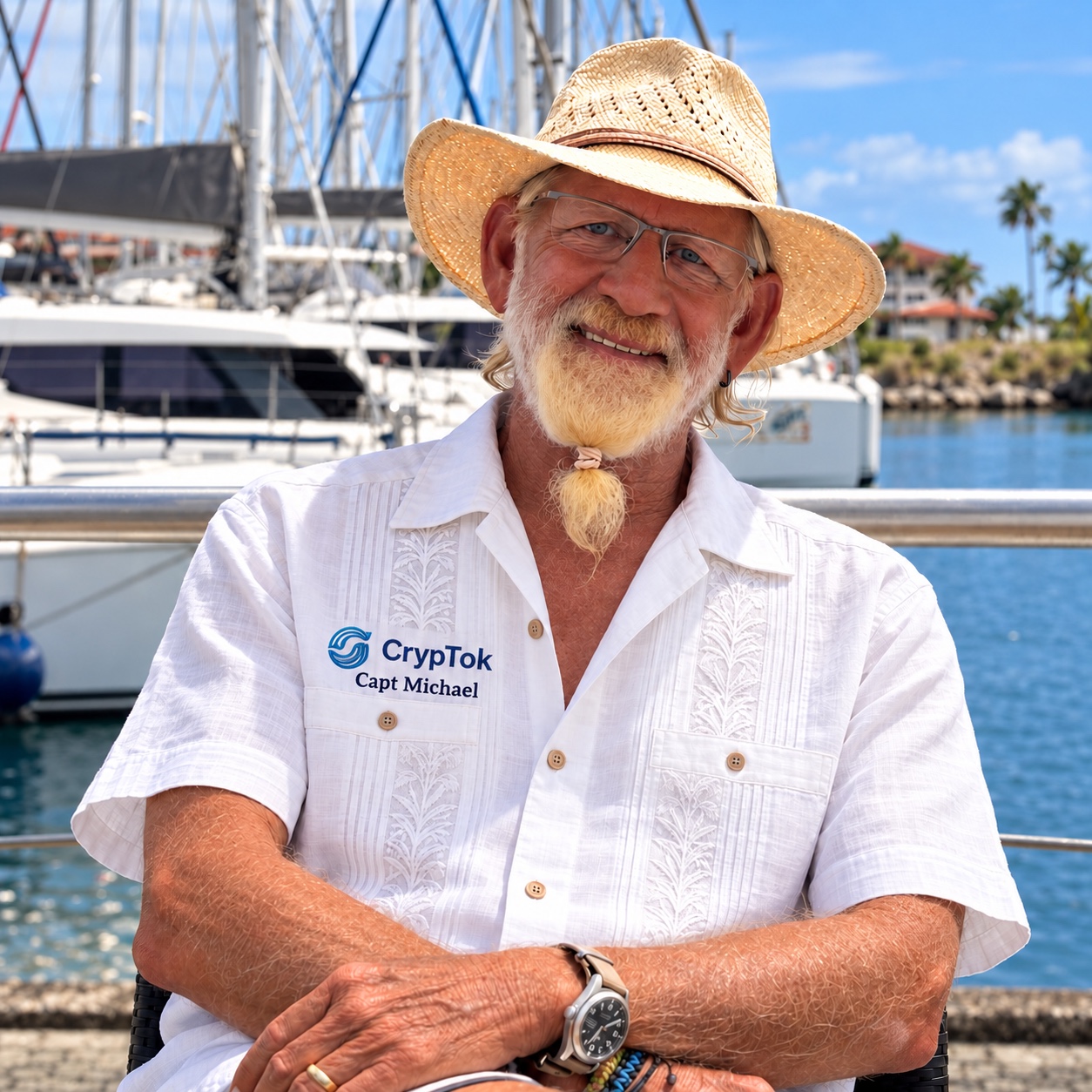
Last night, I did something a little different.
I was hanging out in an X Space with a group of people I’ve gotten to know lately, and I asked them what I should write about next week.
I even offered $10 in $CRYPTOK to whoever gave me the idea I chose.
One fellow took me up on it.
The power of water.
His particular interest was something I’d heard about before—the experiments associated with Masaru Emoto, who photographed ice crystals after water had supposedly been exposed to different words, music, prayers, and intentions.
The photographs are fascinating. Water associated with words like love and gratitude appeared to form beautiful, symmetrical crystals. Water exposed to anger or hateful words supposedly produced distorted ones.
Is it true?
I don’t know.
There have been experiments suggesting there may be something interesting there, but the evidence isn’t strong enough for me to tell you that water somehow understands what we’re saying to it.
And frankly, I don’t need it to.
Because once I started thinking about the power of water, I realized we’ve been talking about it for months without ever really stopping to look at it.
Water has flowed through Taoism.
Through Stoicism.
Through Rumi.
Through Emerson and Thoreau.
Through the teachings of Jesus.
Through poetry, philosophy, religion and mythology stretching back thousands of years.
And, of course, through much of my own life.
I’ve spent enough years on the water to know there is something slightly amusing about philosophers describing water as soft and yielding.
It certainly can be.
I’ve also watched an ocean become something that doesn’t give a damn about your plans, your experience, your confidence or your schedule.
Water can cradle a boat.
Water can sink one.
It can quench your thirst or drown you.
It can reflect a mountain without disturbing it and, given enough time, wear that mountain away.
It takes the shape of whatever contains it without ever surrendering what it is.
Block its path and it finds another.
Heat it and it rises.
Cool it and it falls.
Freeze it and it becomes solid.
Release it and it flows again.
A single drop seems insignificant.
Enough drops make an ocean.
Maybe that’s why we’ve been staring into water for as long as we’ve been capable of wondering about ourselves.
Lao Tzu saw strength in its softness.
Heraclitus saw change in the river.
Thoreau looked into Walden Pond and found depths worth contemplating.
Rumi found the relationship between the drop and the ocean.
Christianity filled itself with water—baptism, cleansing, thirst, storms, fishermen and “living water.”
And sailors?
We learn something philosophers sometimes have the luxury of forgetting.
Water doesn’t care what you believe about it.
You learn to pay attention.
You learn when to fight and when fighting is foolish.
You learn that changing course isn’t surrender.
You learn that something can be beautiful and dangerous at exactly the same time.
You learn that calm water deserves respect too, because you’ve seen what it can become.
And eventually, if you’ve been around it long enough, you stop thinking you’re going to master it.
You learn to work with it.
So that’s where we’re headed this week.
Not a week of pretty ocean metaphors.
I want to look deeper.
At yielding.
At persistence.
At reflection.
At stillness.
At adaptability.
At force.
At what happens when the drop discovers the ocean—and what happens when the ocean reminds the drop just how small it is.
And somewhere along the way, we’ll come back to the strange idea that started this whole thing:
Can words change water?
Maybe.
But I already know something considerably less mysterious.
Words can change us.
And since we’re mostly water ourselves, perhaps that’s an interesting enough place to begin.
Fair winds.
— Captain Michael