


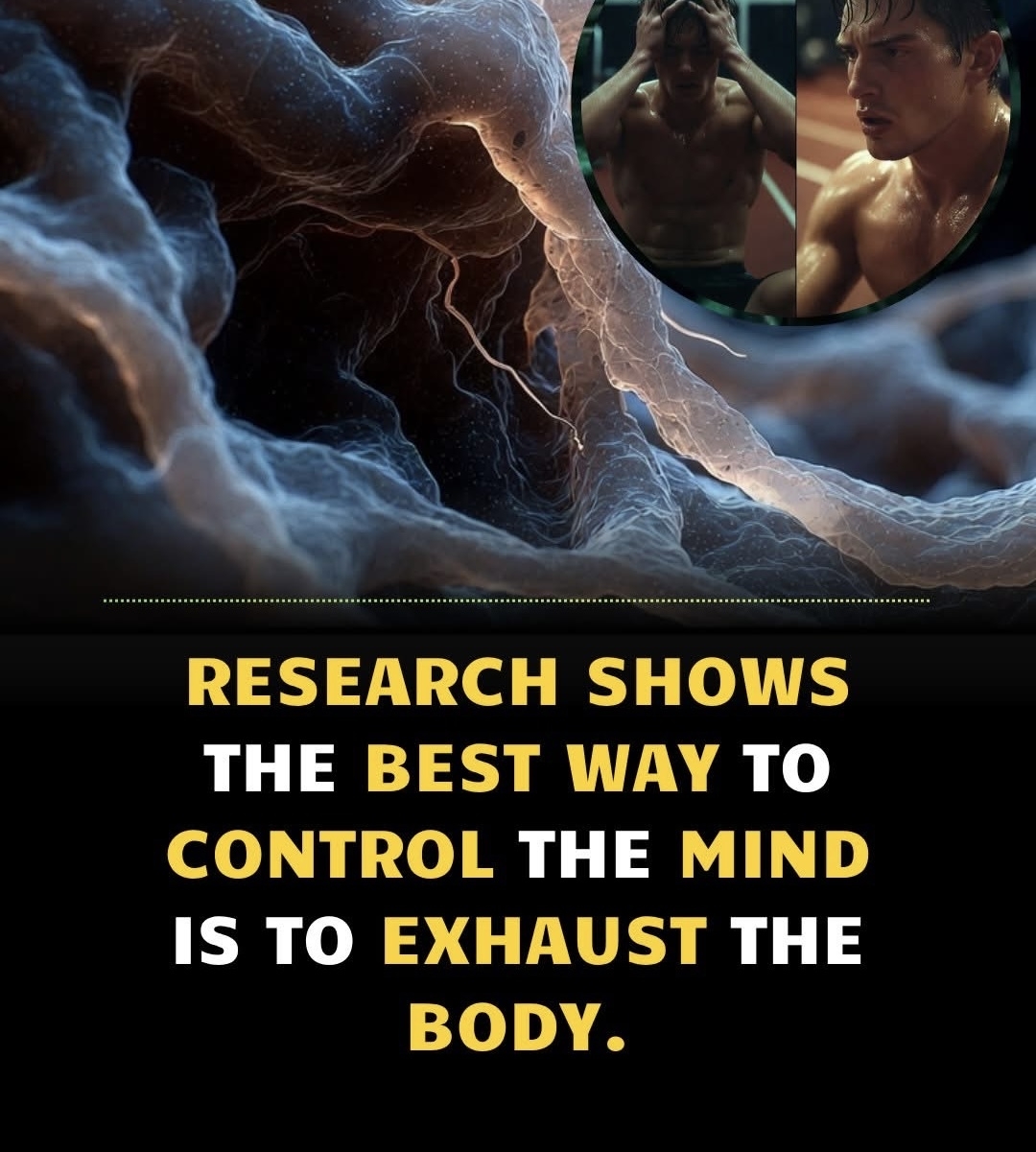
Intense physical activity does more than build the body. It reshapes how the brain regulates itself. Research shows that exercise increases endorphins and dopamine, supporting mood, motivation, and mental clarity, while lowering cortisol and overall stress load. Aerobic activity in particular has been linked to improved executive function, better decision making, and reduced rumination. When the body is pushed physically, the brain shifts out of overactive thought loops and into a recovery focused state, which can reduce anxiety and mental noise. This is why movement is often described as a reset. Not because it eliminates stress, but because it changes how the brain processes it. Consistent training builds both physical and mental resilience over time. (Ratey 2008; American Psychological Association; Journal of Cognitive Neuroscience)
Intense physical activity does more than build the body. It reshapes how the brain regulates itself. Research shows that exercise increases endorphins and dopamine, supporting mood, motivation, and mental clarity, while lowering cortisol and overall stress load. Aerobic activity in particular has been linked to improved executive function, better decision making, and reduced rumination. When the body is pushed physically, the brain shifts out of overactive thought loops and into a recovery focused state, which can reduce anxiety and mental noise. This is why movement is often described as a reset. Not because it eliminates stress, but because it changes how the brain processes it. Consistent training builds both physical and mental resilience over time. (Ratey 2008; American Psychological Association; Journal of Cognitive Neuroscience)
0 Comments
0 Shares
44 Views

 العربية
 Français
 Español
 Português
 Deutsch
 Türkçe
 Nederlands
 Italiano
 Русский
 Română
 Português (Brasil)
 Ελληνικά
 Filipino
 Igbo
Igbo